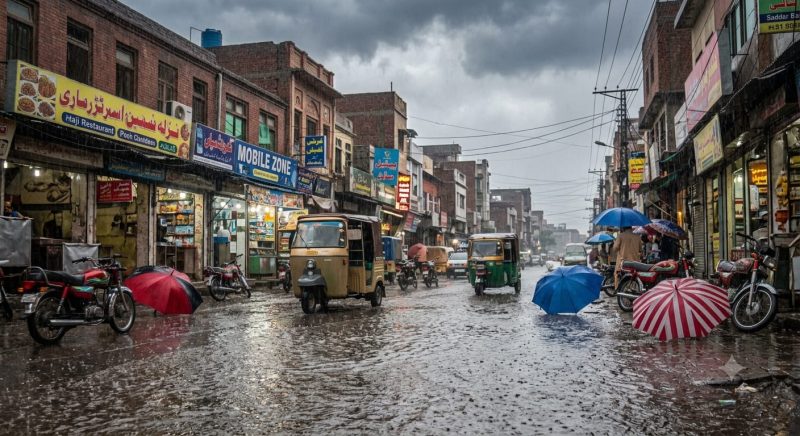
For most Pakistanis, the arrival of the monsoon season brings a collective sigh of relief. After months of enduring a punishing summer heatwave, the dark, rolling clouds offer a welcome drop in temperature and the irresistible urge to enjoy garam chai (hot tea) and pakoras. However, beneath the romanticized charm of the rainy season lies a stark reality. In Pakistan, the monsoon season frequently brings severe urban flooding, prolonged power outages, and a significant spike in waterborne and vector-borne illnesses. What should be a season of comfort can quickly turn hazardous if proper precautions are not taken. To help you navigate the heavy downpours safely, here is a comprehensive guide to the crucial dos and don’ts of the Pakistani monsoon season.
The “Dos” for a Safe Monsoon
1. Electrical Safety First
Electrocution is one of the leading causes of accidental deaths during the monsoon season in Pakistan. Urban centers like Karachi, Lahore, and Rawalpindi frequently suffer from infrastructure vulnerabilities, including exposed wiring and poorly insulated transformers.
- Do inspect your home’s electrical wiring before the heavy rains start. Fix any exposed or loose cords immediately.
- Do invest in a reliable surge protector for expensive household appliances.
- Do wear rubber-soled shoes or slippers when operating appliances inside the house during a storm to insulate yourself from ground shocks.
Check Out: Monsoon Rains In Pakistan – Advantages and Disadvantages
2. Practice Water and Food Hygiene
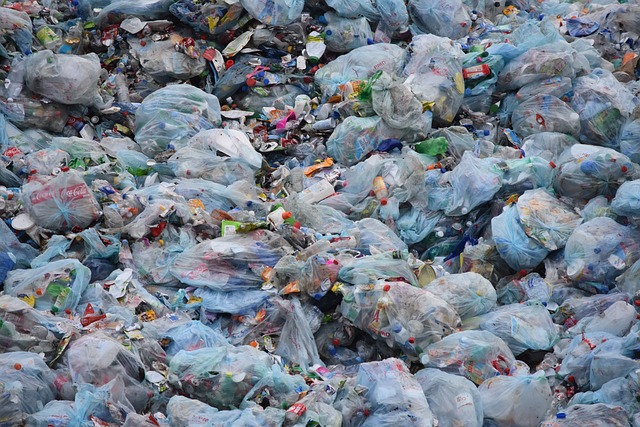
The humidity and standing water characteristic of monsoon create a perfect breeding ground for bacteria. Cases of typhoid, cholera, and gastroenteritis skyrocket during this time.
- Do boil your tap water for at least one to two minutes before drinking it, or strictly rely on certified mineral water. Urban mixing of sewage lines with drinking water lines is a common occurrence during heavy street flooding.
- Do wash all raw fruits and vegetables thoroughly under clean running water before consumption.
3. Maintain Vector Control
The stagnant water left behind by rains is an open invitation for Aedes and Anopheles mosquitoes, the carriers of Dengue and Malaria.
- Do clear out any standing water in your immediate surroundings, check empty flower pots, old tires, open buckets on the roof, or air cooler trays.
- Do apply a high-quality mosquito repellent containing DEET or Picaridin whenever you step outside, particularly around dawn and dusk.
4. Vehicle Maintenance
Driving in torrential rain requires your vehicle to be in optimal mechanical shape.
- Do check your windshield wipers and replace worn-out blades before the season hits.
- Do maintain proper tire tread depth. Bald tires lose traction entirely on wet asphalt, leading to a dangerous phenomenon known as hydroplaning.
The “Don’ts” to Avoid Danger
1. Don’t Touch Billboards, Poles, or Transformers
When walking or driving through waterlogged streets, extreme caution is required regarding public infrastructure.
- Don’t walk near, lean against, or touch metallic structure poles, streetlights, or large commercial billboards. In heavy winds and rain, these structures often become accidentally electrified.
- Don’t park your vehicle directly underneath transformers or heavy electrical wires.
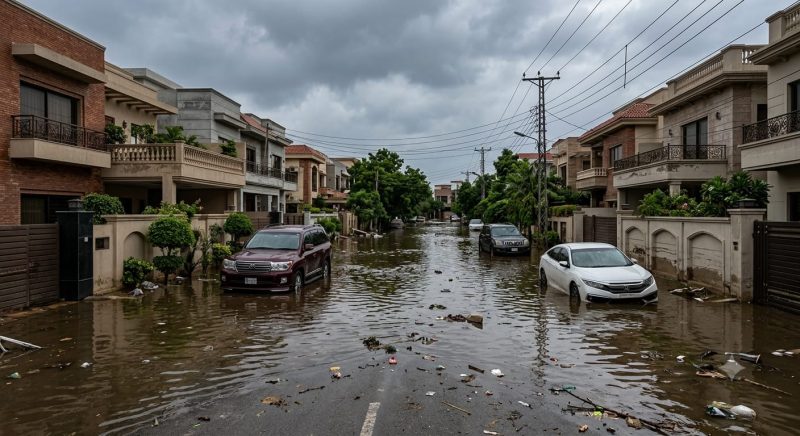
2. Don’t Wade Through Stagnant Urban Floodwater
It might look like a minor inconvenience, but walking through accumulated street water is highly hazardous.
- Don’t walk through flooded streets unless absolutely necessary. Puddles obscure hidden dangers beneath the surface, such as open manholes, sharp debris, broken glass, or submerged live wires.
- Don’t expose open wounds to floodwater. Doing so exposes you to Leptospirosis, a dangerous bacterial infection spread through water contaminated with animal urine.
3. Don’t Indulge in Unhygienic Street Food
While the rainy weather tempts the palate toward roadside dhabas, your digestive tract will likely pay a steep price.
- Don’t eat pre-cut fruits, raw salads, or unexecuted seafood from street vendors. Roadside food stalls rarely have access to clean, boiled water to wash utensils or ingredients during a storm.
- Don’t buy uncovered food items that have been exposed to flies and airborne pollutants.
4. Don’t Ignore Official Weather Warnings
Pakistan’s Meteorological Department (PMD) and National Disaster Management Authority (NDMA) regularly issue critical alerts before major cloudbursts.
- Don’t plan long road trips to mountainous northern regions (like Murree, Swat, or Kaghan) during heavy monsoon spells. These areas are prone to sudden, violent landslides and flash floods.
- Don’t dismiss urban flooding alerts. If authorities advise staying indoors, rearrange your schedule to avoid getting stranded at work or school.
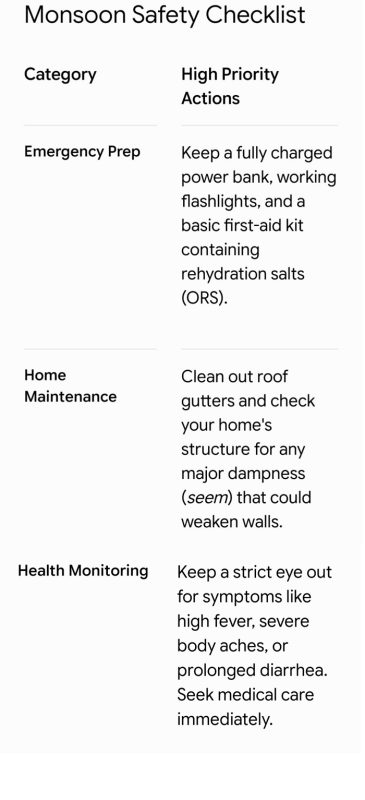
By taking a few proactive measures and exercising basic caution, you can protect your family from the inherent risks of the season. Enjoy the rain, keep your surroundings clean, and stay safe!
Also Check Out: How To Prevent Hazardous Monsoon Season Flooding in Pakistan
Impacts Of Changing Monsoon Season Rains Pattern In Pakistan
We hope you all liked this post! Please, comment below if you have any suggestions, comments, or feedback! We #envpk love hearing from our readers! Thanks!