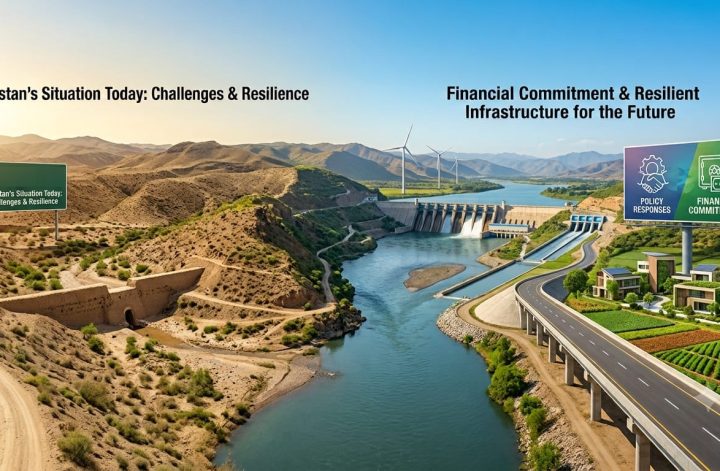
The Current Climate Reality Climate change is not a distant threat but a present reality for Pakistan. This statement from the Pakistan Economic Survey 2025-26 is not just words—it is fact. The data shows that 2025 ranked as the country’s second warmest year in 65 years, with temperatures reaching 23.9°C and rainfall dropping 3 percent […]
Pakistan’s Environmental Data Gap: Why Measuring Matters
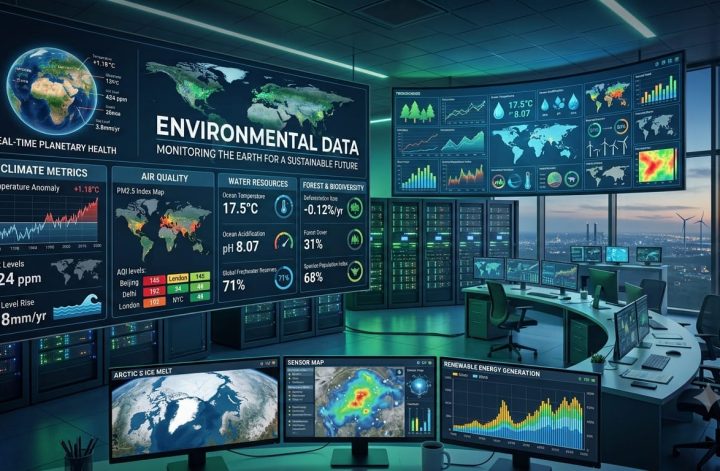
Pakistan has no shortage of environmental problems. Air pollution affects major cities, water resources are under increasing pressure, ecosystems are changing, waste is accumulating, and climate-related hazards are placing growing demands on communities, agriculture and infrastructure. Yet behind many of these challenges is another problem that receives far less attention: Pakistan’s ability to collect, connect and […]
Climate-Smart Agriculture: Pakistan’s New Contract with Nature
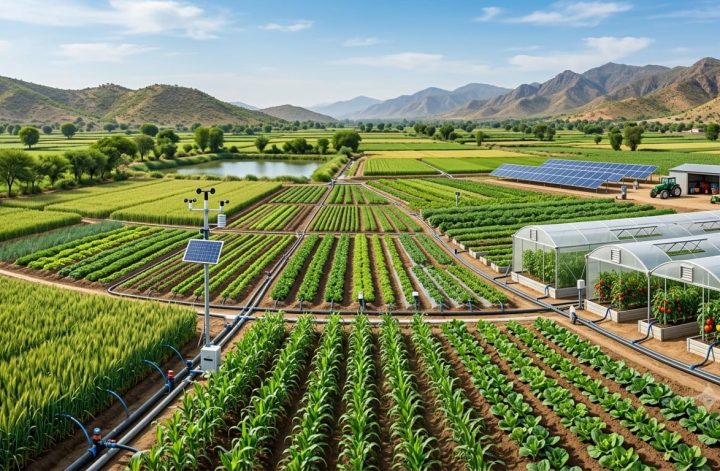
Every monsoon season, Pakistan faces the challenge of flood relief. This is an issue of water scarcity during every drought period. Every heat wave that Pakistan dreads brings about a drop in crop production. However, one uncomfortable truth that keeps evading our national discourse is that Pakistan is not experiencing isolated climate disasters but is […]
Carbon Footprint: Blaming Public for Corporate Pollution
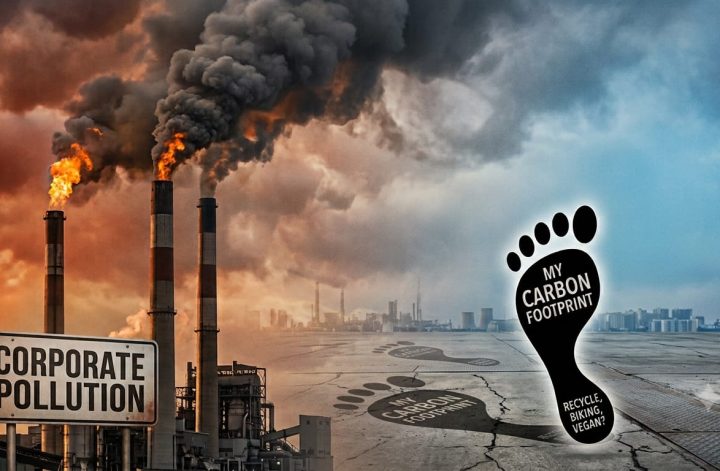
The Carbon Footprint Fallacy: Why the Public Bears the Blame for Corporate Pollution The modern climate conversation often feels like a masterclass in guilt-tripping. We are told to carry canvas bags, swap plastic straws for soggy paper ones, sort our plastics into multi-colored bins, and feel immense personal shame if we leave a light on […]
The Ultimate Guide to Monsoon Dos and Don’ts in Pakistan
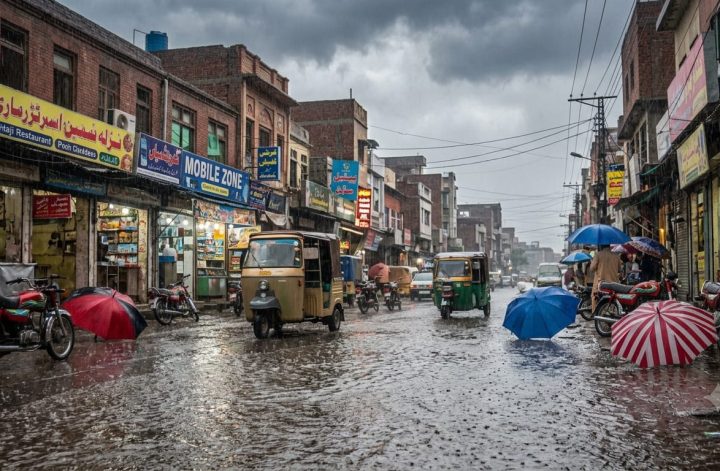
For most Pakistanis, the arrival of the monsoon season brings a collective sigh of relief. After months of enduring a punishing summer heatwave, the dark, rolling clouds offer a welcome drop in temperature and the irresistible urge to enjoy garam chai (hot tea) and pakoras. However, beneath the romanticized charm of the rainy season lies […]
When the Teesta Floods, Climate Change Knocks at Both India’s and Bangladesh’s Doors
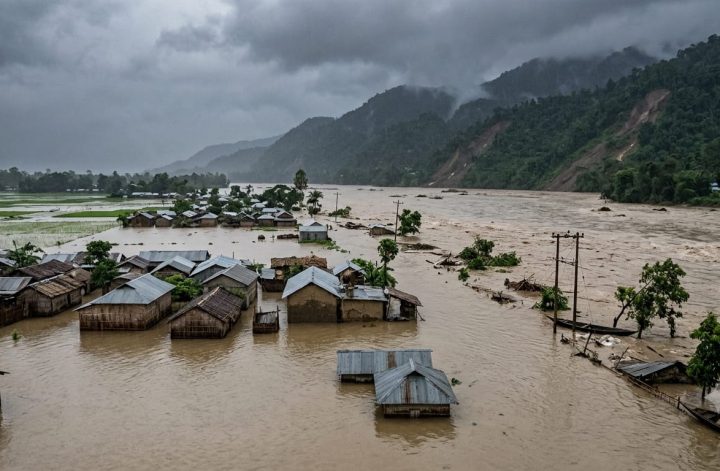
Every year, when the Teesta swells and inundates vast stretches of northern Bangladesh, a familiar debate resurfaces. Fingers are pointed across the border, accusations fly, and public anger intensifies. In Bangladesh, many ask whether India is responsible for the devastation. The question is understandable. After all, the Teesta is a shared river, and Bangladesh, as […]
El Niño: What It Is and How It Affects Your Daily Life
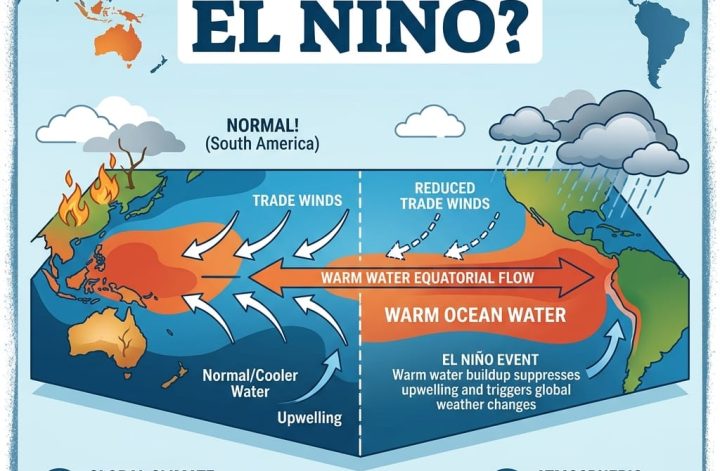
The global climate is shifting. Meteorologists and scientific bodies, including the World Meteorological Organization (WMO) and NOAA have confirmed that El Niño is officially here. Ocean temperatures in the central and eastern Pacific have surged well past critical thresholds. Current climate models project that this event is rapidly strengthening, with a high likelihood of becoming […]
How Deforestation Fueling Heatwaves in Pakistan
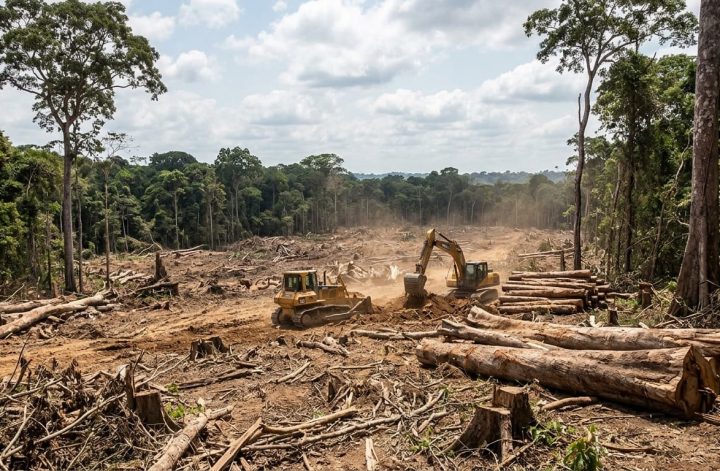
In recent years, Pakistan has been experiencing a sharp increase in temperature, with heat waves becoming more frequent, intense, and prolonged. From Karachi’s urban landscape to the agricultural fields of Sindh and Punjab, extreme heat is now a recurring environmental challenge affecting millions of people. While climate change is widely recognized as a major cause, […]
The Green Revolution 2.0: Cultivating a Sustainable Future
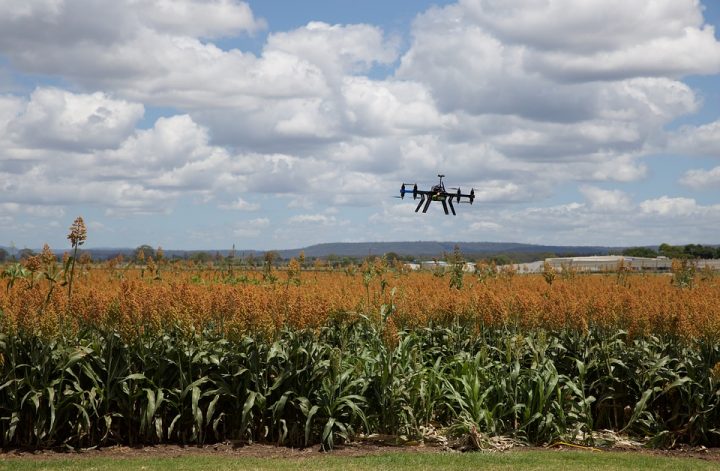
Sustainable Agriculture Methods and Technologies and their Benefits The challenge of the 21st century is no longer just about growing more food; it is about growing food smarter. Sustainable agriculture is the heart of this evolution. It is defined as a holistic approach to farming that produces long-term crops and livestock while minimizing the footprint […]
Pakistan Building Resilience in the Face of Climate Change
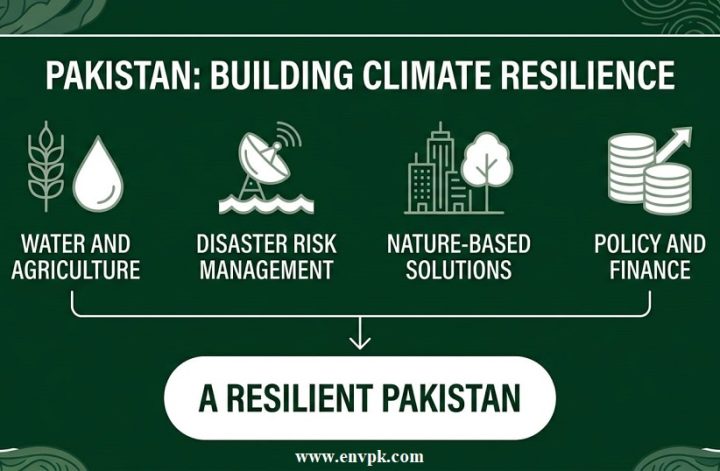
Environmental Adaptation in Pakistan: Building Resilience in the Face of Climate Change Climate change has emerged as one of the most pressing global challenges of the 21st century, affecting ecosystems, economies, and societies worldwide. Although its impacts are global, they are distributed unevenly, disproportionately affecting developing countries with limited adaptive capacity. Pakistan exemplifies this disparity. […]