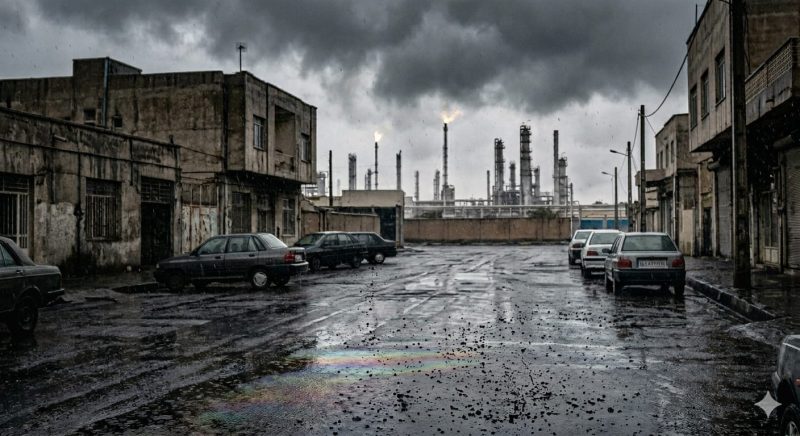
On March 7, 2026, a catastrophic escalation unfolded in Tehran, where a large-scale military strike triggered fires across critical oil distribution channels. What began as a geopolitical flashpoint quickly transformed into an environmental disaster of regional significance. While global discourse has largely centered on the political and military implications of the attack, the ecological consequences both immediate and far-reaching demand urgent attention.
The ignition of oil infrastructure released vast plumes of dense black smoke into the atmosphere. These emissions, rich in soot (black carbon), sulfur dioxide (SO₂), nitrogen ox ides (NOₓ), and volatile organic compounds (VOCs), rapidly formed thick, polluted cloud systems over the city. Such emissions are characteristic of large-scale hydrocarbon fires and are known to have both acute and chronic environmental effects.
Check Out: Catastrophic Environmental Impact of US-Israel-Iran Conflict
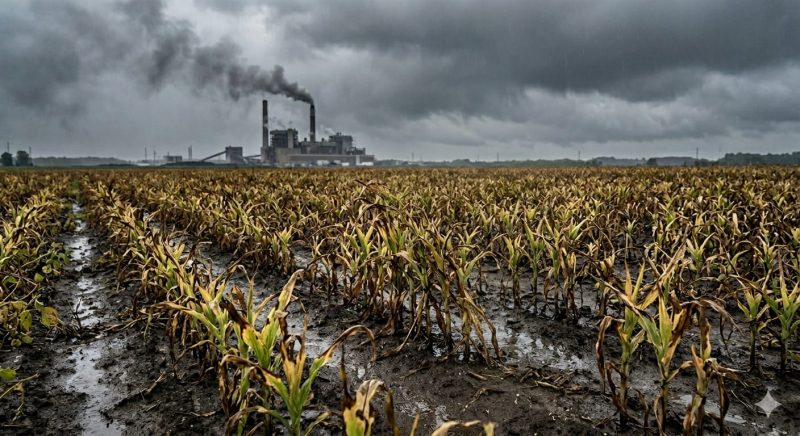
Residents reported an alarming phenomenon: black rainfall. This precipitation, tainted by airborne particulates and chemical pollutants, is a form of acid rain, capable of al tearing soil chemistry, damaging crops, corroding infrastructure, and posing severe health risks. Acidic deposition of this nature can reduce soil fertility by leaching essential nutrients such as calcium and magnesium, while mobilizing toxic metals like aluminum.
While the immediate devastation is localized, the environmental impact is not con fined within Iran’s borders. Seasonal atmospheric patterns play a crucial role in pollutant dispersion. As winter transitions into spring, wind systems originating from the Persian Gulf intensify, carrying air masses northeastward.
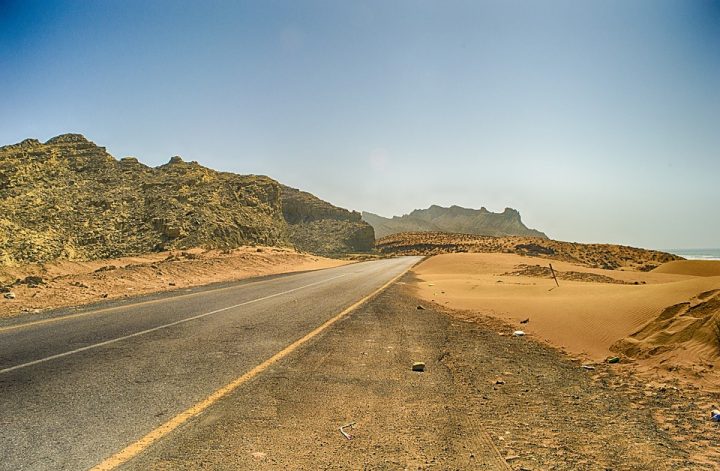
These winds are likely to transport polluted aerosols and gaseous contaminants from Iran into neighboring regions, particularly Pakistan. Entry points such as Balochistan serve as initial corridors, with pollutants gradually dispersing into the agricultural heartlands of Punjab and Sindh.
Punjab and Sindh together form the backbone of Pakistan’s agriculture-based economy. The potential arrival of acid-laden rainfall and polluted air masses presents a serious threat to standing crops.
Key risks include:
- Crop Damage: Acid rain can burn leaf surfaces, inhibit photosynthesis, and reduce crop yield.
- Soil Degradation: Long-term exposure alters soil pH, diminishing fertility and microbial activity.
- Water Contamination: Pollutants can infiltrate irrigation systems, affecting both crops and livestock.
Even though atmospheric dilution may reduce pollutant concentrations over distance, the continuous nature of emissions especially if conflict persists means cumulative expo sure could still reach harmful thresholds.
Pakistan is already grappling with climate-induced challenges. The devastating floods of recent years have weakened agricultural resilience and strained economic recovery. With the monsoon season approaching in approximately four months, the country faces a dual threat:
- Pre-monsoon agricultural losses due to transboundary pollution.
- Post-monsoon flood damage, which could again devastate crops and infrastructure.
This convergence of environmental stressors could severely impact food security, rural livelihoods, and national economic stability particularly in a context already burdened by energy shortages and inflation.
This unfolding crisis underscores the transboundary nature of environmental disasters. Air pollution does not recognize political boundaries, and conflicts involving indus trial can have cascading ecological effects across entire regions.
There is an urgent need for:
- Real-time air quality monitoring across affected regions.
- Regional cooperation frameworks for environmental risk assessment.
- Early warning systems for farmers and vulnerable communities.
- International accountability mechanisms addressing environmental damage in conflict zones.
The fires in Tehran are not just a symbol of geopolitical instability they are a stark re minder of how environmental consequences can ripple far beyond the epicenter of conflict. As polluted clouds drift, the question is no longer confined to Iran’s recovery, but extends to the resilience of neighboring nations like Pakistan.
In an era of climate vulnerability and ecological interdependence, safeguarding the environment must remain central even amid conflict.
Check Out: Environmental Impact of the Russia-Ukraine War
We hope you all liked this post! Please, comment below if you have any suggestions, comments, or feedback! We #envpk love hearing from our readers! Thanks!
This article is contributed by: M.Arham Irfan is an Environmental Engineering student at the University of Engineering and Technology (UET) Lahore, specializing in sustainable waste management and resource recovery.His work in climate advocacy has earned him recognition as a National Runner-up for the COP 30 Youth Delegation, and he actively contributes to the Climate Catalysts Mentorship Programme, focusing on ESG (Environmental, Social, and Governance) leadership. He is a leading member of Climate Action Forum, a society in UET working on Climate Change. He has also received awards a skillful writer in many competitions.