Shared Environmental Resources: What Does It Mean?
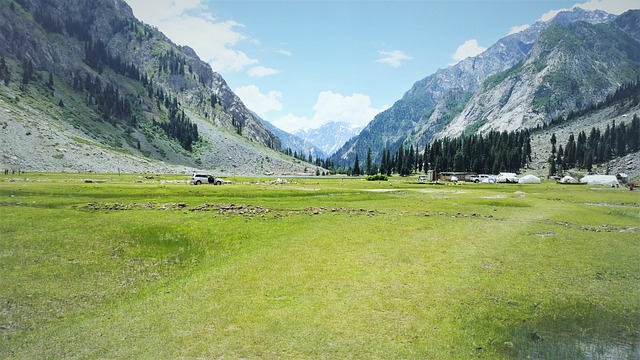
It refers to the environmental resources that do not belong to, or are owned by one specific individual, corporation or country. These are international shared natural resources present in the environment.
Shared environmental resources at a national level however, may include the resources present in a specific country that can be used by all corporations, industries or companies operating within the country’s territory.
How Are These Resources Being Exploited By Corporations?
Since the industrial revolution, the unchecked consumption and resource utilization has been acknowledged as the biggest contributor to the climate change scenario and global warming. However, corporations are still improperly utilising natural resources despite the climate emergency.

List of resources being exploited:
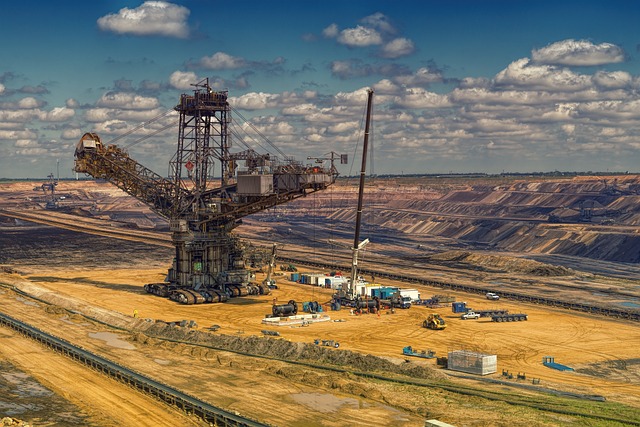
- Fossil fuels: fossil fuels like coal, oil and Petroleum are the biggest contenders among the natural resources that all big corporations are vying for. Wars and international conflicts are being promoted just to attain these. Fossil fuels are the top contributor to directly causing and aggravating climate change and yet corporations mostly are still bent on using them since alternative energy sources and environmental friendly policies require additional investment and technology.
- Water: from agriculture, textile, beverages, food, fashion and every other industry one can think of- all use water in one way or another. And this is particularly a concern since almost all industries and corporations use it in an unsustainable manner. This results in eutrophication due to pesticide use in agriculture, water pollution, illegal offloading of waste onto farmlands, water depletion in already drought prone zones. It is no wonder that water scarcity is the primary concern of the world in the face of climate change as freshwater sources are depleting fast. Yet, measures to reduce its improper usage are not being implemented or cared for.
- Deforestation: forests are being cut down to make way for setting up new industries, power plants and cities. The big corporations of the world occupy a large piece of global land that previously belonged to forests. This mass cut down of forests has resulted in increased global warming since trees are responsible for carbon sequestration. Furniture, paper, timber and other wood related harvesting industries are also responsible for deforestation as they are the most reliant on it,
- Air: Air Pollution is a given from transportation of goods to basically every other activity of humans and corporate business results in emission of gaseous pollutants. The emissions of these toxic Pollutants like NOx, SOx, CO2 and other gases lead to a large number of environmental problems like glacial deposition of black soot, acid rain etc.
Related: Controlling Air Pollution Crucial for Mitigating World’s Environmental Crises - Marine life: this is separate from water resources since life inside the marine water are also exploited. The exploitations is so bad that many creatures are at risk of extinction as they are endangered. This includes some shark species, crabs, lobsters and other sea food delicacies. Not only is the fisheries and marine harvesting sector very exploitative but it is also notoriously difficult to regulate. Thus, along with plastic pollution, water quality degradation because of waste dumping, ocean acidification- the marine waters of earth are also facing from biodiversity depletion due to corporate actions.
Related: Impact of Marine Species Harvesting Industry on Environment
Also check out: What is Ocean Acidification? – Causes, Effects and Solutions
CONCLUSION:
The ways in which natural resources are exploited as listed above is by no means exhaustive. In fact, several other factors are dependent on how fast and how badly these resources are exploited by the global corporations. The primary factor is that of consumerism followed closely by overpopulation. The number of people and the number of people who demand the products that require the rapid and often improper utilization of resources is directly linked to the exploitative use of shared resources.
This collectively harms all of us as its impact is felt on the environment we live in. Couple that with the lack of energy efficient or conservation strategies as well as intense agriculture and easy ways to capitalize and profit off these ‘free resources’ is primarily why climate change has become such a danger to our future.
Thus, the only sure fire way of combating climate change is to change our ways, raise awareness, push for global reforms as well as be responsible and sustainable in your consumption of goods and products.
You may also like: World Fisheries And Impacts Of Fishery Over-Exploitation
I hope you all liked this post! Please comment below if you have any suggestions, comments, or feedback! We at #envpk love hearing from our readers! Thanks!