In recent years, Pakistan has been experiencing a sharp increase in temperature, with heat waves becoming more frequent, intense, and prolonged. From Karachi’s urban landscape to the agricultural fields of Sindh and Punjab, extreme heat is now a recurring environmental challenge affecting millions of people. While climate change is widely recognized as a major cause, deforestation is an equally important but often overlooked factor accelerating this crisis.
Rising Heat in Pakistan: A Growing Concern
Pakistan has witnessed several severe heat waves in recent years. In the summer of 2025, temperatures in many regions reached nearly 48°C, while Karachi experienced prolonged periods of extreme humidity and heat stress. Hospitals reported increased cases of dehydration, heat exhaustion, and heatstroke, especially among outdoor workers, children, and the elderly. These events clearly indicate that climate extremes are no longer future threats—they are happening now and intensifying each year.
Role of Forests in Climate Regulation
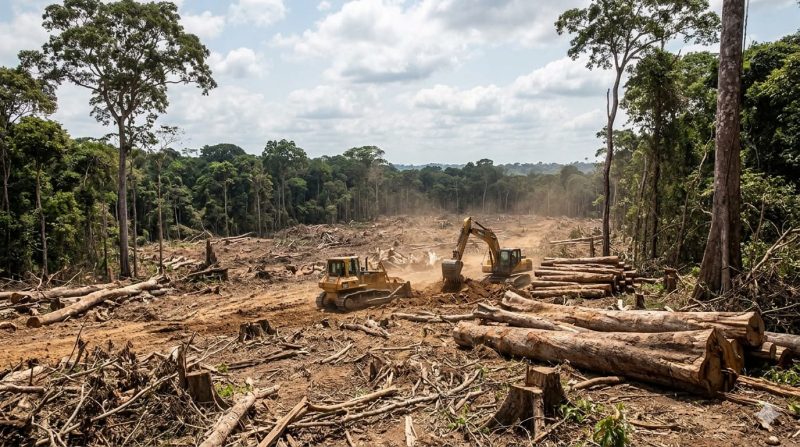
Forests play a crucial role in regulating temperature and maintaining ecological balance. Trees absorb carbon dioxide, release oxygen, and help cool the environment through transpiration. This natural process reduces surrounding temperatures and improves air quality. When forests are removed, the land becomes exposed to direct sunlight, increasing surface temperature and contributing to the urban heat island effect in cities like Karachi, Hyderabad, and Sukkur. Concrete structures further trap heat, making urban areas significantly hotter than surrounding rural regions.
Check Out: Pakistan’s Vanishing Forests: Crisis We Can No Longer Ignore
Deforestation and Its Impact on Climate Change
Deforestation directly contributes to global warming in two major ways:
- It reduces the number of trees available to absorb carbon dioxide.
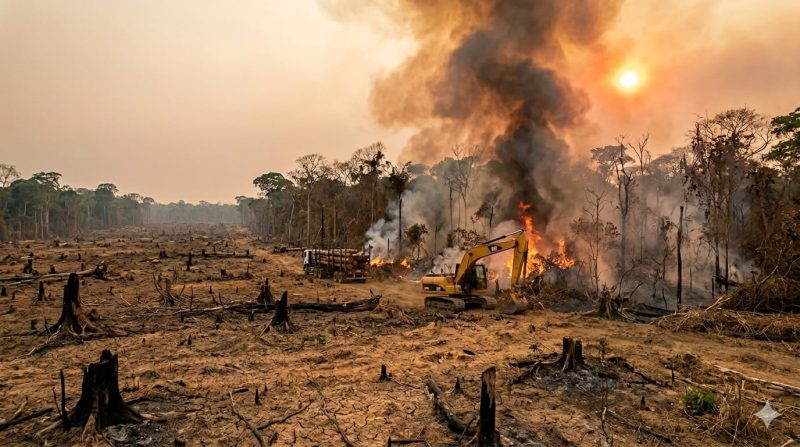
- It releases stored carbon back into the atmosphere when trees are cut or burned.
- This increases greenhouse gas concentration, intensifying the greenhouse effect and leading to rising global and regional temperatures. Pakistan, with its limited forest cover, is particularly vulnerable to these changes.
Sindh’s Riverine Forests: A Natural Shield Under Threat
Sindh’s riverine forests, commonly known as Kacho forests, are among the most important ecological zones in Pakistan. Spread along the Indus River, these forests support biodiversity, protect soil from erosion, and help regulate local climate conditions. However, reduced water flow in the Indus, illegal logging, grazing pressure, and land conversion has severely degraded these forests. Their destruction not only threatens wildlife but also reduces nature’s ability to control rising temperatures in the region.
Impact on Agriculture, Health, and Economy
The effects of rising temperatures extend far beyond discomfort. Agriculture, the backbone of Pakistan’s economy is highly sensitive to heat stress. Higher temperatures reduce crop yields, increase water demand, and affect livestock productivity. Similarly, public health is at risk. Heat-related illnesses are increasing, and healthcare systems often struggle during extreme weather conditions. Economically, increased energy consumption for cooling and reduced productivity creates additional burdens on national development.
Environmental and Global Perspective
According to global climate observations, extreme heat events are increasing worldwide, but countries with low forest cover and weak environmental protection systems face greater risks. Pakistan falls into this category, making forest conservation even more critical.
The Way Forward
To address this growing crisis, urgent action is required:
- Strengthening forest protection laws
- Controlling illegal logging and land encroachment
- Expanding afforestation and reforestation programs
- Promoting community-based forest management
- Raising public awareness about climate change and deforestation
- Individuals can also contribute by planting trees and protecting local green spaces.
Conclusion
The rising temperatures and heat waves in Pakistan are a clear warning of environmental imbalance. Deforestation has significantly contributed to this crisis by weakening the earth’s natural cooling system. Forests are not just natural resources, they are life-support systems essential for survival. If immediate action is not taken, Pakistan will face even more severe climate impacts in the future. Protecting forests is not an option; it is a necessity for survival, sustainability, and the well-being of future generations.
References
- Pakistan Meteorological Department (PMD) Climate Reports
- Sindh Forest Department – Riverine Forest Data
- IPCC Climate Change Assessment Reports
- World Bank Environmental and Climate Studies
- Local Heat wave Reports (Pakistan News Archives, 2024–2025)
Also Check Out: Deforestation – Causes, Effects, and Solutions
We hope you all liked this post! Please, comment below if you have any suggestions, comments, or feedback! We #envpk love hearing from our readers! Thanks!
This article is contributed by:Asif Rafique Keerio is a student of Bachelor of Science (BS) Forestry at Shaheed Benazir Bhutto University of Veterinary and Animal Sciences, Sakrand, Sindh, Pakistan. His academic focus includes forest ecology, climate change, biodiversity conservation, and sustainable natural resource management. He is passionate about environmental awareness and writes on issues related to deforestation, climate change, and ecological sustainability in Pakistan.