The idea of plastic being a solution feels deeply imperfect, right? But this thought was an absolute reality because at its core, plastic was a literal solution. It was made as a remedy. During the mid-18th century many natural based polymers were used i.e. wood, metals, natural fibers, and elephant ivory is an indispensable source in this case. These all have some natural origin and has a dwindling resource. So to protect the natural resources the semi synthetic plastic was made just to replace it. The ability of plastic to use as a substitute means they can be used in place of expensive materials derived from endangered animals like ivory from elephants, tortoiseshell from leatherback turtles, and ebony and mahogany woods from trees. These synthetic plastics were used to mimic the luxury materials. After WW2 there was surplus use of plastic in military weapons. Different companies began to produce different household and daily life products from plastic. (Louise Dennis, 2004). It transformed everyday life with its bright colors. It was durable, light and disposable. It was a solution. But then, where the problem arises? When did the word plastic and pollution begin to coin together? What makes this incredible solution, pollution?
In solving a problem, we quietly created another. This problem began far, far away from the land, in oceans, in central gyres. It was discovered during the some plankton studies. (Britannica, Charles Moore.) Its footprints were clearly etched in the marine environments. When Captain Charles Moore was sailing from Hawaii to California he observed plastic waste bobbing in the water. He, then, accidently discovered great pacific garbage patch in 1996. (BBC, 2024). He immediately was not able to tell its cause but after research and modeling of two years, he examined the surface of ocean by passing the water currents through netting system, and was finally able to uncover the cause behind this patch. It dawned upon him that there is six times more plastic than planktons floating in ocean which mostly came from the waste we usually throwaway after using. He discovered five largest garbage patches and called them a trash vortex. Media described it as floating mass of garbage or Trash Island but in fact Moore says it’s not even a patch, it’s a field, it’s a huge mountain and media or satellites cannot show it properly. It’s like a murky soup of plastic in ocean. The size of this great pacific garbage patch is twice the size of Texas, and three times the size of France. (BBC, 2024). Moore says that higher plastic production is becoming the opposite of solution.
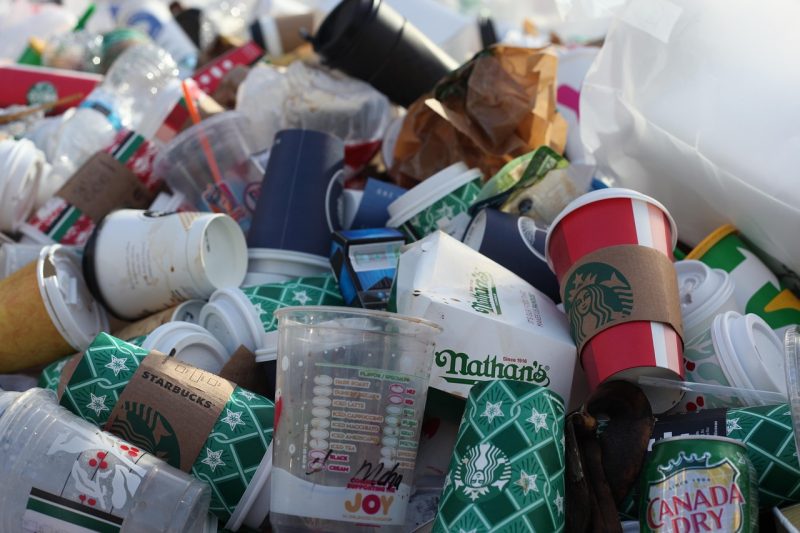
The convenience of plastic comes wrapped in polluted oceans. Plastic has slowly invaded our life and now it is inseparable from us. The use of plastic began to increase due to its remarkable qualities. It’s cheap, it’s durable and it’s disposable. Plastic is light weight, tough, design capable, stiff, versatile, good insulator, poor conductor and corrosion resistant. (Ilyas et al., 2018). But just like the sweetest fruit often has a bitterest seed, plastic also began to reveal its bitter seeds. Increased plastic dependency causes their increased misuse and disuse. It encourages the single use of plastic that was later thrown away, leading to a flow of plastic waste. In 1950, the use of single use plastic was at its highest that there was a whole trend named “Throwaway living”. It was published in their life magazine. This was the start of culture of consumption and disposal. This culture showed the priority of convenience over sustainability.
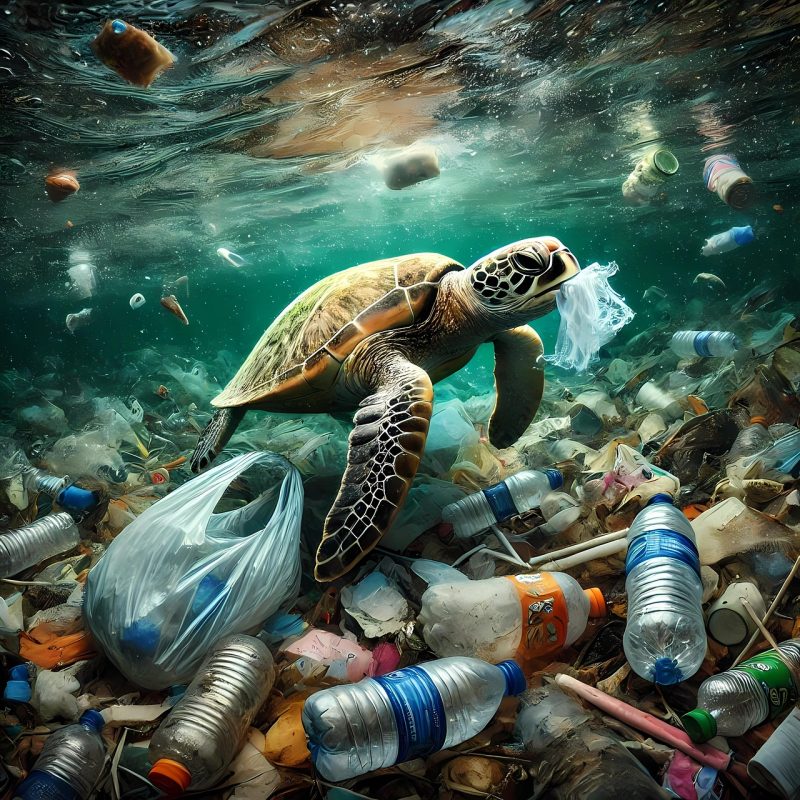
Today we live in a plastic society. Revising our history just like Stone Age, Bronze Age, Iron Age, we are now living in plastic age and this is costing us a huge price. Our discarded plastic, once entering the ocean, travel in different mediums between surfaces waters, Deep Ocean currents, sediments present in the ocean floor and marine organisms. Studies show that plastic is integrated in other biogeochemical cycles, carbon cycles, global dust cycle and water cycle. Alone this anthropogenic activity has caused many alterations in ecosystem, biodiversity, biogeochemical cycling and climate (Chelsea M. Rochman, 2020). This micro plastic also bio accumulate and ultimately causes harm to human beings. Plastic has the same severe effect in terrestrial environment. It causes blockage of drains causing floods, it is also found in the stomach of animals who usually feed on waste. Like a sacred crow has it intestine is blocked just due to plastic waste. This concerning example of harm caused by plastic to wildlife is only a single consequence of poorly managed, illegal dumping and wrong practices of getting rid of waste. This causes the accumulation of waste on land but land can bear it up to a certain level. Then from land almost 8 to 10 million tons of plastic finds its way into the oceans accounting for 80% of marine pollution. (P.G.C. Nayanathara Thathsarani Pilapitiya, 2024). The numbers here don’t tell the whole story. It has complex interwoven human interactions behind this disaster.
It was we who made the choice of convenience over consequences. For our comfort we compromised the health of planet. What was made as a solution, plastic, now becomes a global pollutant because of our over and misuse. Today the planet, the ecosystem and the biodiversity is suffering. They are paying the price of our unsustainable actions. But why should they pay for what we do? Earth doesn’t choose these actions for itself, we do.
It’s time to rethink and to rebuild our connection with nature. The good news is that we still have some time left to turn the tides. We have a set of solutions to this problem which includes waste to energy approach, circular economy, plastic trade, new materials and techniques for prevention, cleanup, education, outreach and many more. But on our end we can start with simple but effective. First is the most common 3Rs, practice reuse, reduce, and recycle, focus on preventing improper disposal of waste, limit the use of plastic and especially single use plastic items in the first place. The most important thing is to change our attitude towards this problem, because it was our attitude who changed plastic from solution to pollution. By changing our mindset we can set a new course forward. So let’s take the responsibility to cut down our plastic use. Although recycling is important but it’s not as effective as reducing. Switch to cloth or paper bags, promote and buy green, eco-friendly and sustainable products. Our future doesn’t depend on what the plastic is but on how we will tackle this.
A famous environmentalist says: You cannot get through a single day without having an impact on the world around you. What you do makes a difference, and you have to decide what kind of difference you want to make.”
— Dr. Jane Goodall
So let’s choose a future for our planet that makes plastic again a part of solution not a part of pollution.
References:
- Dennis, L. (2024). A brief history of the use of plastics. Cambridge Prisms: Plastics, 2, e19. doi:10.1017/plc.2024.17
- M. Ilyas, W. Ahmad, H. Khan, S. Yousaf, K. Khan, S. Nazir, 2018, Plastic waste as a significant threat to environment – a systematic literature review
- Allan T. Williams, Nelson Rangel-Buitrago, 2022, The past, present, and future of plastic pollution,Marine Pollution Bulletin,Volume 176 https://www.sciencedirect.com/science/article/pii/S0025326X22001114
- Charles Moore, updated 2025, Plastic pollution, Britannica https://www.britannica.com/science/plastic-pollution
- Brodie Cook, 2024, The History of Plastic: From Revolutionary Invention to Environmental Crisis
- Chelsea M.Rochman, 2020, The Story of Plastic Pollution: From the Distant Ocean Gyres to the Global Policy Stage
- Frankie Adkins, 2024, Visualising the Great Pacific Garbage Patch, BBC https://www.bbc.com/future/article/20240115-visualising-the-great-pacific-garbage-patch
- P.G.C. Nayanathara Thathsarani Pilapitiya, Amila Sandaruwan Ratnayake, 2024,
The world of plastic waste: A review, Cleaner MaterialsVolume 11, https://www.sciencedirect.com/science/article/pii/S2772397624000042
This article is contributed by: Amna Ahmad, She is a student at the University of the Punjab with a deep interest in environmental issues, from plastic pollution to climate change and sustainability. Through her writing, she hopes to spark awareness and inspire small changes for a greener future.