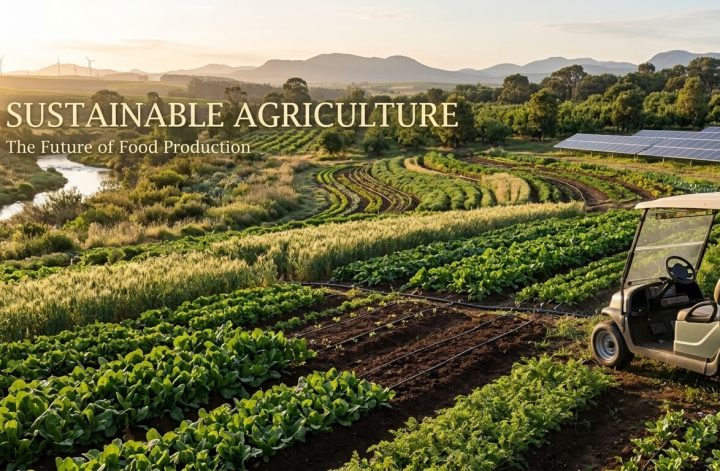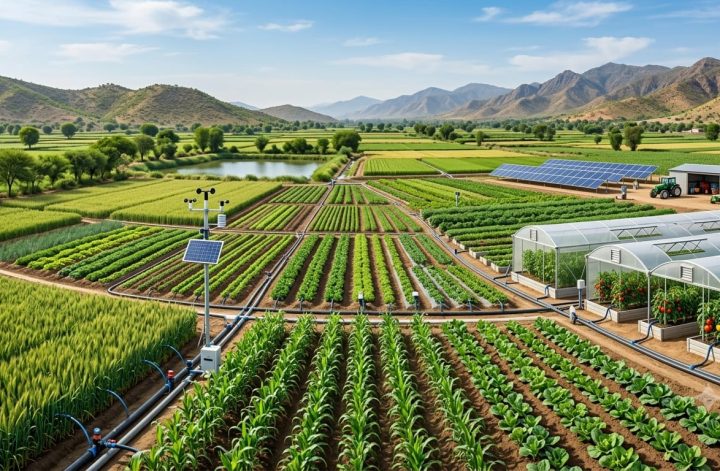
How climate-smart methods, precision technology and healthier soils can help secure food supplies while protecting the resources on which farming depends. Feeding a Growing World Without Exhausting the Planet Feeding the world’s growing population while preserving the soil, water, and biodiversity that agriculture depends onis a defining challenge for food production. Climate change, water scarcity, […]
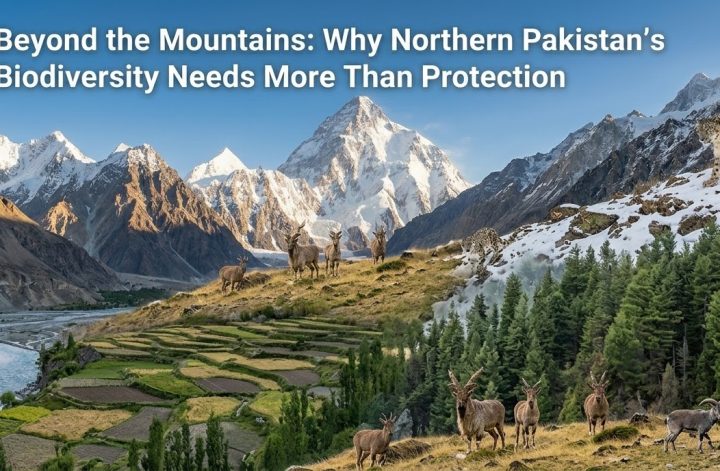
Why Northern Pakistan’s Biodiversity Needs More Than Protection
The Northern areas of Pakistan are not only rich in biodiversity, but also have ecosystems linking forests, glaciers, grasslands, rivers, wildlife and human settlements into an ecosystem. The mountains of northern Pakistan are often used to give the world its first glimpse of the country. The mountain range of Karakoram, the valley of Gilgit-Baltistan, the […]
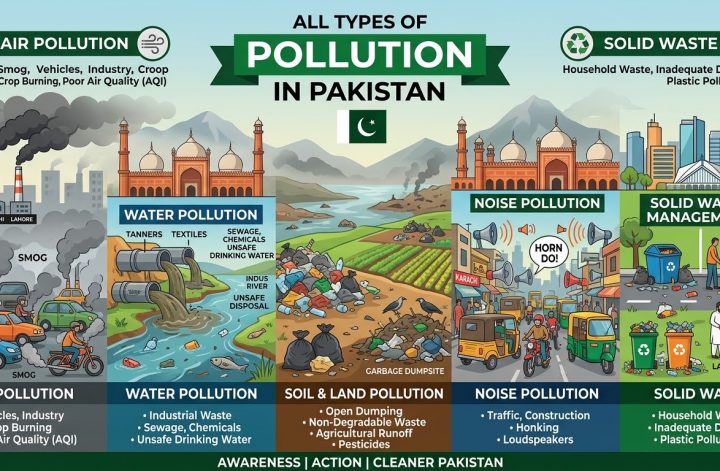
Pakistan’s Environmental Crisis: A silent threat to life
“The Earth is what we all have in common.” — Wendell Berry Pakistan is blessed with some of the world’s most stunning natural landscapes, from the glaciers and alpine forests of the north to its rivers, wetlands, agricultural plains, deserts and coastline. But below this natural bounty is an environmental crisis that is increasingly difficult […]
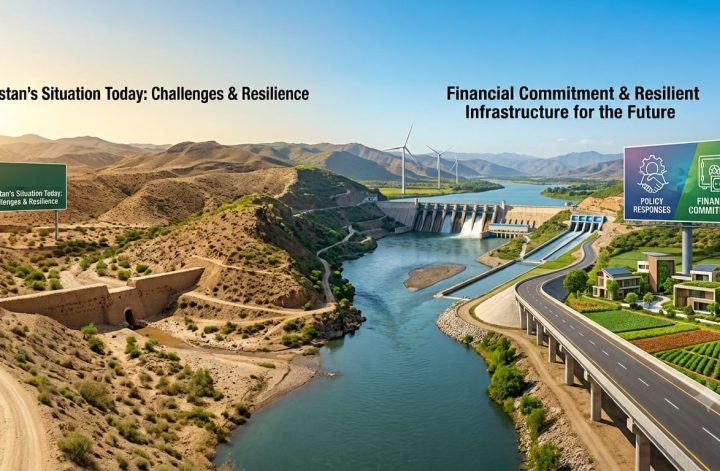
Climate Change and Pakistan: A Policy Brief
The Current Climate Reality Climate change is not a distant threat but a present reality for Pakistan. This statement from the Pakistan Economic Survey 2025-26 is not just words—it is fact. The data shows that 2025 ranked as the country’s second warmest year in 65 years, with temperatures reaching 23.9°C and rainfall dropping 3 percent […]
From Sky to Cup: How Atmospheric Water Harvesting Works
There is measurable water vapor in every cubic meter of air on the earth, even over deserts where the relative humidity can be less than 20 per cent. Atmospheric water harvesting (AWH) is the engineering discipline that focuses on capturing that vapor and turning it into potable water. What was a survivalist curiosity a generation […]
Pakistan’s Environmental Data Gap: Why Measuring Matters
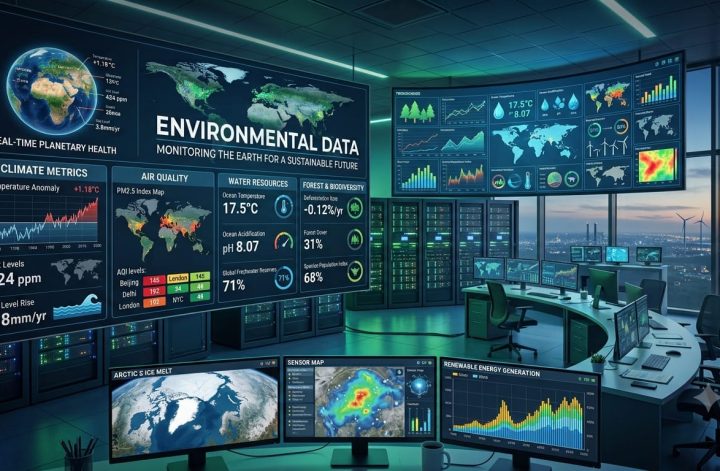
Pakistan has no shortage of environmental problems. Air pollution affects major cities, water resources are under increasing pressure, ecosystems are changing, waste is accumulating, and climate-related hazards are placing growing demands on communities, agriculture and infrastructure. Yet behind many of these challenges is another problem that receives far less attention: Pakistan’s ability to collect, connect and […]
Pesticide Waste & Illegal Dumping: Legal Solutions in Sindh
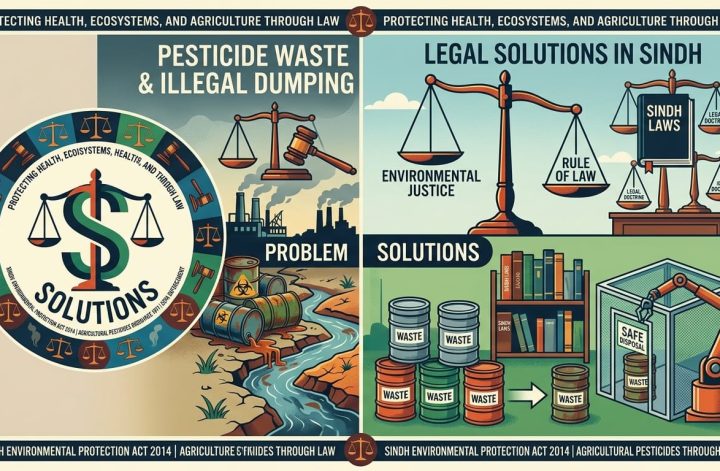
Illegal Dumping and Disposal of Pesticide Waste and It’s Solution with Sindh Environmental Protection Act-2014 Beneath the fertile soil of Sindh, a toxic time bomb is ticking. While the province’s agricultural output is the backbone of its economy, a hazardous practice threatens the health of its people and the environment. The improper disposal of pesticide […]
Climate-Smart Agriculture: Pakistan’s New Contract with Nature
Every monsoon season, Pakistan faces the challenge of flood relief. This is an issue of water scarcity during every drought period. Every heat wave that Pakistan dreads brings about a drop in crop production. However, one uncomfortable truth that keeps evading our national discourse is that Pakistan is not experiencing isolated climate disasters but is […]
Carbon Footprint: Blaming Public for Corporate Pollution
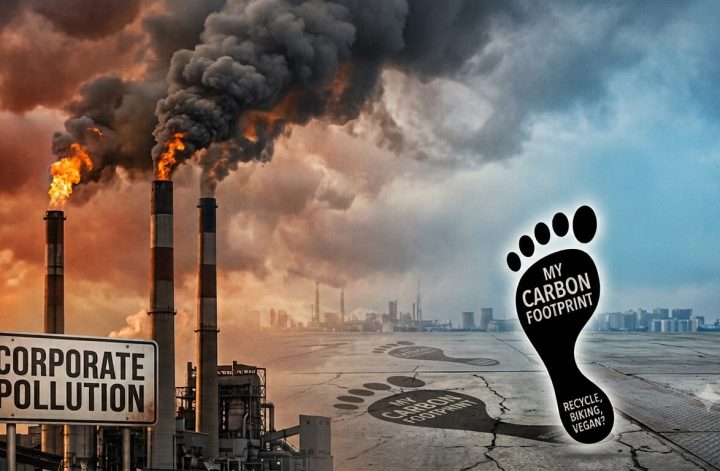
The Carbon Footprint Fallacy: Why the Public Bears the Blame for Corporate Pollution The modern climate conversation often feels like a masterclass in guilt-tripping. We are told to carry canvas bags, swap plastic straws for soggy paper ones, sort our plastics into multi-colored bins, and feel immense personal shame if we leave a light on […]
When the Teesta Floods, Climate Change Knocks at Both India’s and Bangladesh’s Doors
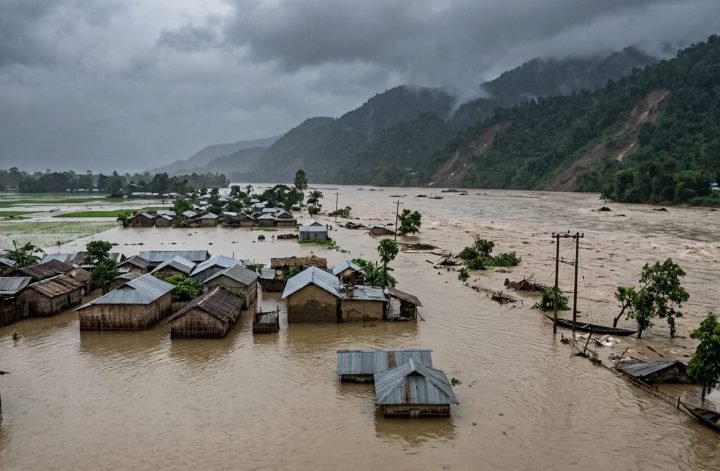
Every year, when the Teesta swells and inundates vast stretches of northern Bangladesh, a familiar debate resurfaces. Fingers are pointed across the border, accusations fly, and public anger intensifies. In Bangladesh, many ask whether India is responsible for the devastation. The question is understandable. After all, the Teesta is a shared river, and Bangladesh, as […]