Introduction:
Pakistan’s coastal waters, especially around Karachi and Gwadar, are silently suffocating. Each year, thousands of tons of untreated sewage, industrial and agricultural wastes end up in the Arabian Sea. Karachi alone produces 472 Million Gallons per day of waste water, of which only 55 MGD is treated and the rest is discharged into the sea. What was once clean and full of life is now dull and polluted. This growing pollution not only threatens marine life but also the livelihoods of coastal communities that depend on fishing. Sometimes, when you stand near the shore, the smell itself feels like the proof of what we have done to it. Yet, in the middle of this destruction, something as simple as the seaweed swaying under those same polluted waves might be our quietest hope. It is a living filter that nature designed long before we ever thought of cleaning our mess.
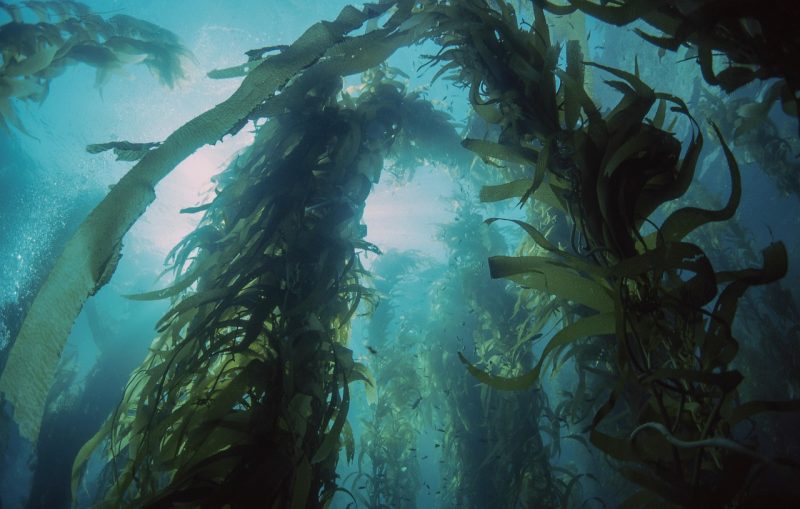
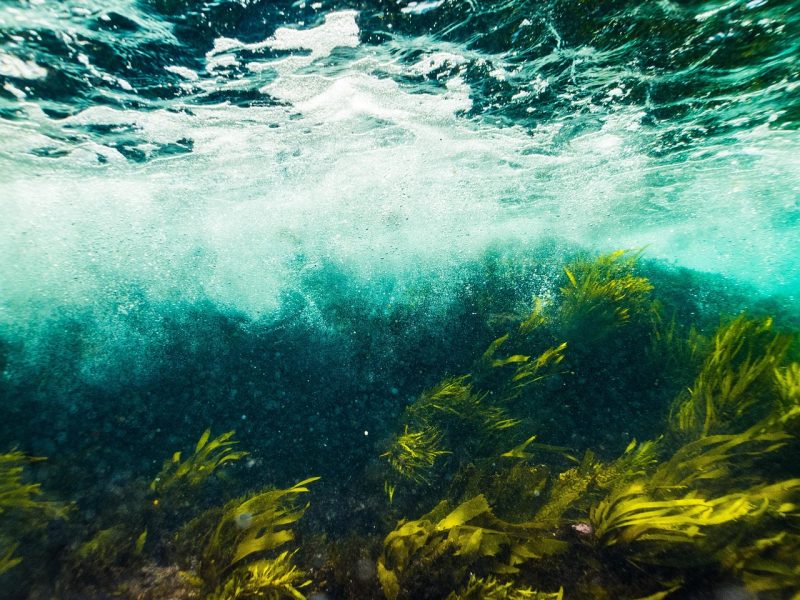
Seaweed is not just another plant floating in the ocean. It is not useless and dirty as many people think. It is nature’s silent cleaner. These gentle strands quietly soak up what pollutes the water like toxins, heavy metals and the excess nutrients that suffocate marine life. To be honest, I did not even realize how powerful it was until I read about it recently. In many parts of the world, people are already planting seaweed to bring dying coastlines back to life, and it is working. For example, in places like Japan and Norway, seaweed farms are already helping restore dead coastlines. It is simple, beautiful, and surprisingly effective. For Pakistan’s shores, where our water grows darker every year, even a handful of small seaweed farms could be a small sign of hope for our sea.
Check Out: How Seaweed Farming Helps To Combat Climate Crisis?
Coral Reef Ecosystem of Pakistan- Climatic Biome
Seaweed Cultivation Potential In Pakistan:
Pakistan has more potential for seaweed cultivation than most people realize. Our 1000 kilometer coastline along the Arabian Sea offers the perfect temperature, sunlight and nutrient balance for native seaweed species to thrive. But the sad part is, hardly anyone talks about it. We keep waiting for grand, foreign funded solutions to fix pollution, while something simple and natural is right in front of us. Seaweed farming does not need fancy machines or huge money. It just requires people who care enough to start. Imagine if the fishermen in Karachi or Gwadar could grow seaweed alongside fishing. They could earn a living while cleaning the sea. Our universities could help by teaching local communities how to do it properly. It is not just about saving the sea; it is about giving people a chance to protect the place they have always called home.
For years, Pakistan’s environmental work has mostly stayed in conference rooms and policy papers. We talk about pollution, but not many real projects reach the people living by the sea. Many believe that the environment is a rich person’s problem, something to worry about after fixing poverty and inflation. But the truth is, it is all connected. Dirty water harms health, ruins fishing and keeps people poor. Studies conducted near Karachi Harbour revealed oxygen levels as low as 1.5 mg/L which indicates severe marine degradation. Fishermen in Gwader complain that their catch has dropped sharply in the last few years.
In 2022, Pakistan’s total fish production reached around 800,000 metric tonnes. That is not bad luck that is pollution. Seaweed farming could quietly change that. It doesn’t need foreign funding and long reports. It only needs small efforts that grow over time. Even a few seaweed farms could mean cleaner water and better fish harvests. When people see nature rewarding them for taking care of it, they start to care more. It is that simple cause and effect that policymakers often forget.
Seaweed could also open doors to something much bigger like new eco-friendly businesses. Around the world, people are using seaweed to make biodegradable packaging, organic fertilizers, cosmetics and even biofuel. With some research and training, Pakistan could build its own eco-friendly industry from the sea. The coast has always been rich in natural life, but we have never really used it wisely. Seaweed could turn it into a center for green innovation.
Conclusion:
Of course, no solution is perfect. Seaweed farming would need proper rules to prevent over harvesting and protect marine life. Communities would need fair access to resources and guidance. But these challenges are manageable. If we give seaweed a chance, it might give us back more than we expect like cleaner oceans, stronger communities and a glimpse of harmony between the people and the sea.
Also Check Out: What is Biofouling? Causes, Effects, and Solutions
Deep Sea Mining and Its Negative Effects on the Environment
References:
1. Nergis, Y., Butt, J. A., & Sharif, M. (2023).
3. Doumeizel, V. (2023). The Seaweed Revolution
4. Wasim, M. W. K., & Abbas, G. (2024).
5. Waheed, M. A., Fatima Adil, Barrah Maryam, & Faria Shammas. (2025).
This article is contributed by: Maryam Latif, Maryam is a microbiology graduate who is passionate about climate change, and sustainable solutions.