What is meant by Biochar?
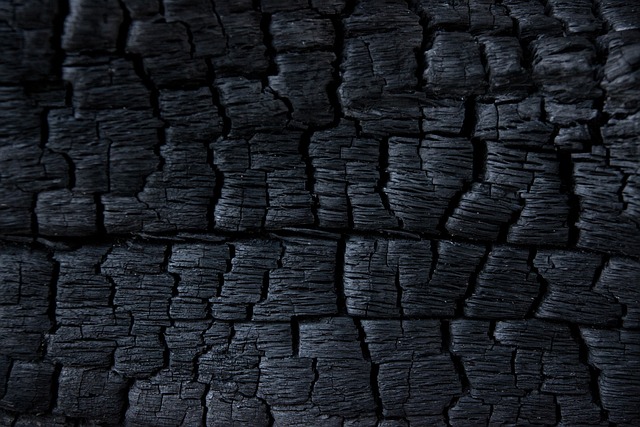
Biochar is basically comprised of 2 words Bio which means ‘living’ and -Char which implies the formation of charcoal in anaerobic conditions. Thus implying that biochar is formed from living or biological material. It is a carbon-rich material.
To put it in a straightforward manner; Biochar means- “Charcoal that is formed due to the burning of organic matter or biological matter such as plants, vegetables etc., or after pyrolysis that results in a residue of ash and inorganic carbon.“
According to the International Biochar Initiative (a US-based NGO), Biochar is defined as “the solid material obtained from the thermochemical conversion of biomass in an oxygen-limited environment”.
Check out: 15 New Technologies and Innovations for improving our Environment
What are the Types of Biochar?
There are many types of biochar and the key difference between them is the base produce or material that is used to make the end product biochar. Furthermore, different temperature conditions and time durations give different types of biochar. Those are mentioned below:
- Shell Biochar: Pyrolysis seems to be the go to method for biochar formation as it can be slow pyrolysis or fast pyrolysis depending on the type of end product that is desired. For shell biochar, shell is used. It could be the shells of nuts like almonds, walnuts, pistachios etc. or it could be sea shells even. The biochar is produced at a temperature range of 300-500 degree Celsius for 30 to 90 minutes.
- Animal Feces Biochar: this kind of biochar is made from the animal waste gathered from livestock and cattle. This biochar can also be used as a fertilizer that is eco-friendly and can be applied as a form of green manure for crops and biodynamic agriculture practices.
- Straw Biochar: It uses straw and mainly other leftover hay and crop residue by burning at fairly low temperatures to generate straw biochar. Straw Biochar is good for improving soil quality, permeability and soil porosity.
- Sludge Biochar: Sludge is the residue or leftover matter that accumulates at the bottom of the digester tank during the process of water treatment at the secondary and tertiary stages. Sludge biochar has been proved to be the ideal application rate to promote plant growth and enhance soil stability.
- Bamboo Biochar: Bamboo biochar is the most extensive process of making biochar. However, it gives a good yield of 80% at 300 degree Celsius. It also has applications in improving soil quality and permeability. Dry bamboo char at 400 degree Celsius provide 32% biochar.
- Wood Biochar: Wood waste, like chippings, shavings and pieces are used as a biochar raw material. It is best for soil remediation. Wood biochar is the most common form of biochar that is made.
Applications and Benefits of Biochar:
- Bamboo Biochar has applications in Plastic Waste Management especially after the increase in single use plastics after the COVID-19 crisis.
- Biochar of all types is very important for carbon sequestration in the soil. It not only stores carbon in various kinds of soil but also promotes soil fertility. It acts as a major carbon sink that can help reduce the GHG carbon emissions in the air if applied widespread.
- It improves and rejuvenates the nutrient cycling in the soil. Biochar made from animal waste and straw can be used to give back the nutrients from the soil while also being applied as a cover to prevent soil erosion or minimizing evaporation in hotter climates.
- Biochar can be used as a natural and organic fertilizer reducing the usage of chemical fertilizer and further eutrophication that results from it.
- Woody biochar helps to store the carbon and helps improve the soil organic matter and water retention capacity of the soil. It basically can help keep the soil moist for longer periods of time and is particularly useful in agricultural lands in hot climates.
Also check out: http://Soil Erosion and Degradation – Causes, Effects, and Solutions - Biochar has a high stability rate for carbon which means carbon is stable in that form and thus can be stored in the soils where it can be taken up by plant roots and remain stored there permanently or for a long time. It can therefore be used as a mitigation tool for climate change.
- Biochar additionally has the ability to reduce the presence of heavy metals in soils and also prevent its uptake by plant roots that compromise their health.
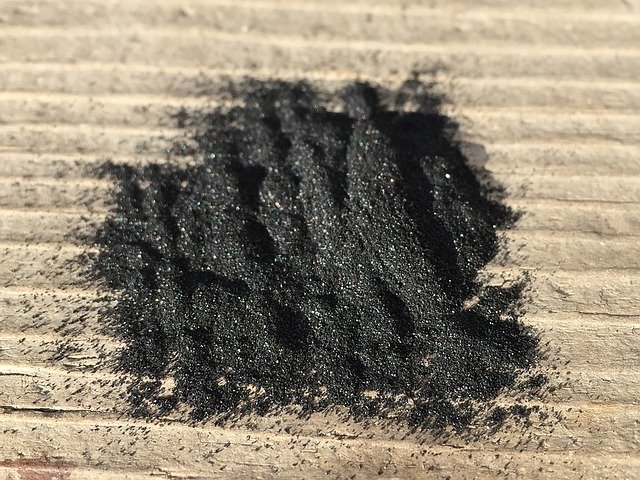
- Biochar is lightweight, organic based, porous with often a sponge like texture that can serve as a habitat for many micro-organisms which ultimately improves soil quality as the micro organisms break down organic matter more readily thus providing nutrients to the soil for the plants to take up.
- Biochar is the key to soil rejuvenation, removal of contaminants and greater crop production and yield.
- Biochar can also degrade organic pollutants and remove organic dyes from the soil.
- Aside from its vast applications in soil and agriculture, biochar is also able to be substituted instead of sand. If replaced with sand, 20% of biochar to cement can increase the strength by around 25% and reduce the density by 10%.
Conclusion:
Biochar has countless applications but most commonly it is applied for the purpose of carbon sequestration and currently the industry is expanding itself to manage other types of waste like plastics and also rehabilitate ecosystems. Regardless, biochar of all types is highly beneficial to the environmental restoration efforts.
You may also be interested in: What Is Biochar? – Uses, Advantages and Disadvantages
Also Check out: What Is Agritech? – Importance and Methods of Agrotech
I hope you all liked this post! Please comment below if you have any suggestions, comments, or feedback! We at #envpk love hearing from our readers! Thanks!