What are Environment Smart Cities, Green Structures and Sustainable Materials?
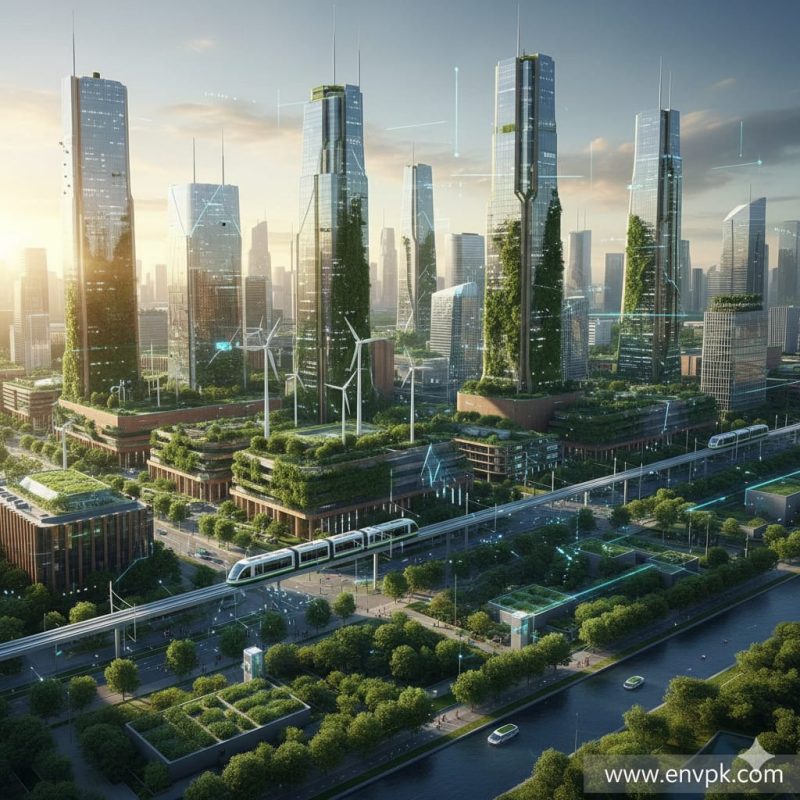
The rapid and relentless pace of urbanization poses one of the 21st century’s most profound challenges. As more people gravitate toward city living, the strain on resources, infrastructure, and the environment intensifies. This is where the concept of the Environment Smart City emerges, representing a holistic and technologically advanced vision for urban development where sustainability and efficiency are paramount. These cities leverage digital technology, primarily the Internet of Things (IoT) and Information and Communication Technologies (ICT) to gather real-time data, optimize operations, and create a truly greener, more liveable urban ecosystem.
An Environment Smart City is fundamentally a merging of the “smart” and the “green.” While the smart aspect focuses on technological efficiency and data-driven governance, the environment component emphasizes minimizing ecological footprints, ensuring resource conservation, and improving the overall quality of life for citizens through environmental protection. This is achieved through integrated systems across key domains: smart energy grids, intelligent transport systems, optimized waste and water management, and, crucially, the construction of green structures using sustainable materials.
The Features of an Environment Smart City
The environmental dimension of a smart city is characterized by several interlinked initiatives aimed at resource optimization and pollution reduction.
- Smart Energy Management: This involves deploying smart grids that monitor and balance electricity consumption in real-time. Smart buildings use IoT sensors and automation to dynamically adjust heating, cooling, and lighting, drastically reducing energy waste. The system also prioritizes the integration of renewable energy sources, such as solar and wind power, directly into the urban network, moving the city towards a net-zero carbon commitment.
- Intelligent Water and Waste Systems: Smart cities use sensors to detect leaks in water pipelines, preventing millions of gallons of waste. In waste management, smart bins equipped with sensors notify collection services when full, optimizing collection routes, saving fuel, and reducing emissions. This shift is part of promoting a circular economy, where maximum recycling and reuse of materials is prioritized.
- Sustainable Mobility: Reducing reliance on fossil fuel vehicles is a cornerstone. This includes intelligent traffic management systems that cut congestion and idling time, promoting public transportation, and establishing vast networks of charging stations for electric vehicles (EVs). Furthermore, creating walkable localities and safe, accessible bike lanes encourages healthier, low-carbon commute options.
- Urban Greening: Environment Smart Cities integrate nature back into the urban fabric. This involves developing and protecting green spaces like parks and community gardens, which improve air quality, enhance biodiversity, and offer recreational benefits. Features like green roofs and vertical gardens provide insulation, reduce storm water runoff, and mitigate the urban “heat island” effect.
Check Out: Blueprint of an Eco-city – How To Create Sustainable Cities?
AI And Its Role In Environmental Protection And Restoration
Green Structures: The Building Blocks of Sustainability
The vision of a smart city cannot be realized without a fundamental shift in how its physical infrastructure is designed and constructed. Green structures, often called smart buildings, are central to this transformation. These buildings are designed to be energy-efficient, reduce pollution, and minimize waste across their entire lifecycle from material sourcing to demolition.
A smart building uses technology sensors, automation, and data analytics to achieve peak performance and responsiveness. For example, a smart HVAC system can learn occupant patterns and adjust temperature based on occupancy data, ensuring comfortable conditions while using the minimum necessary energy.
Sustainable Materials: A Low-Impact Legacy
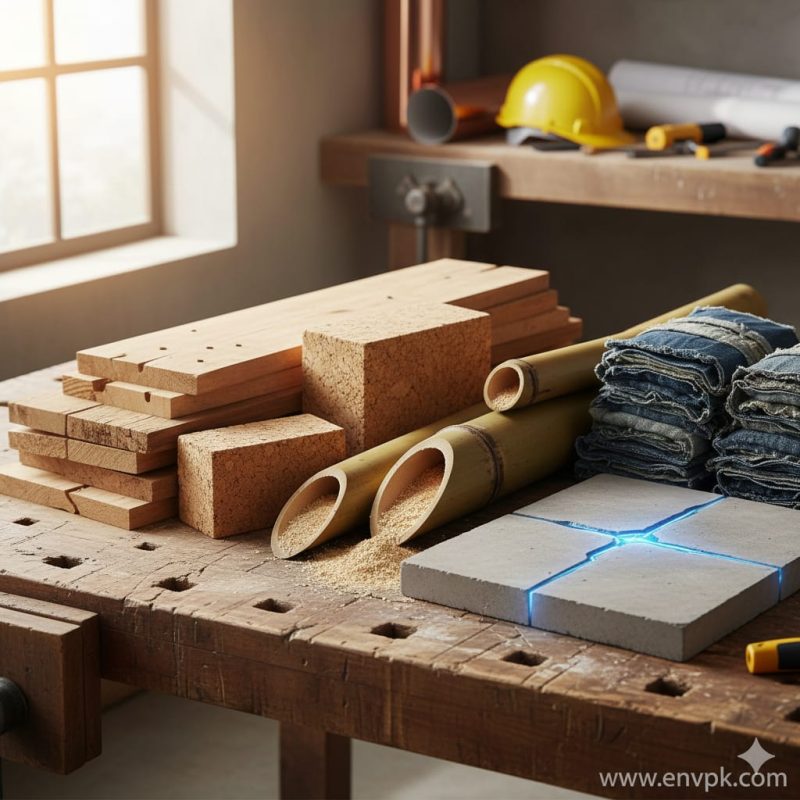
Crucial to the creation of green structures is the deliberate selection of sustainable materials. These materials are chosen for their low environmental impact, durability, recyclability, and non-toxicity, embodying the principles of a circular economy in construction.
- Recycled and Reclaimed Materials: This category includes recycled steel, which has a significantly lower carbon footprint than new steel, and reclaimed wood or recycled concrete. Using these materials reduces the demand for virgin resources and minimizes construction waste.
- Low-Impact and Renewable Resources: Materials sourced from rapidly replenishing resources are prioritized. Bamboo, a fast-growing, strong, and versatile material, and sustainably harvested wood (certified by organizations like the Forest Stewardship Council) are excellent examples. Natural fibers and cork also fall into this category, often possessing superior thermal insulation properties.
- Smart and Innovative Materials: Advancements in material science are bringing high-tech solutions to green building. Examples include:
- Phase-Change Materials (PCMs): These materials are incorporated into walls or ceilings to absorb and release heat at specific temperatures, helping to passively regulate indoor temperatures and reduce the need for active air-conditioning.
- Self-Healing Concrete: This innovative material contains dormant bacteria or encapsulated agents that can seal cracks as they form, extending the structure’s lifespan and reducing maintenance and material waste.
- By integrating these sustainable materials and green design principles such as maximizing natural light and optimizing building orientation green structures become energy producers rather than just consumers, actively contributing to the city’s overall environmental health.
Conclusion: A Resilient, Equitable Future
Environment Smart Cities offer a compelling solution to the escalating pressures of urban life and climate change. They represent an evolution where technology is not an end in itself but a powerful tool to achieve deeply human and environmental goals: cleaner air, more efficient resource use, and a higher quality of life. The development of green structures and the conscious adoption of sustainable, low-impact materials are indispensable steps in this journey. As global populations continue to concentrate in urban centres, the Environment Smart City model provides the blueprint for building resilient, equitable, and truly sustainable cities for the generations to come.
Check out: 10 Latest Innovative Environmental Friendly Technologies
15 Easy Ways To Make Your Home Environmental Friendly/Green
I hope you all liked this post! Please comment below if you have any suggestions, comments, or feedback! We at #envpk love hearing from our readers! Thanks!