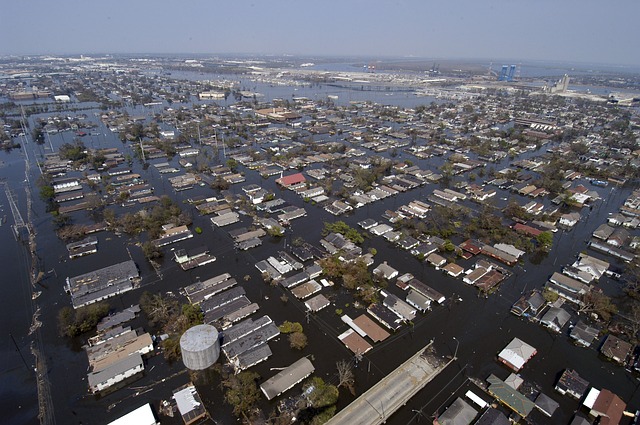
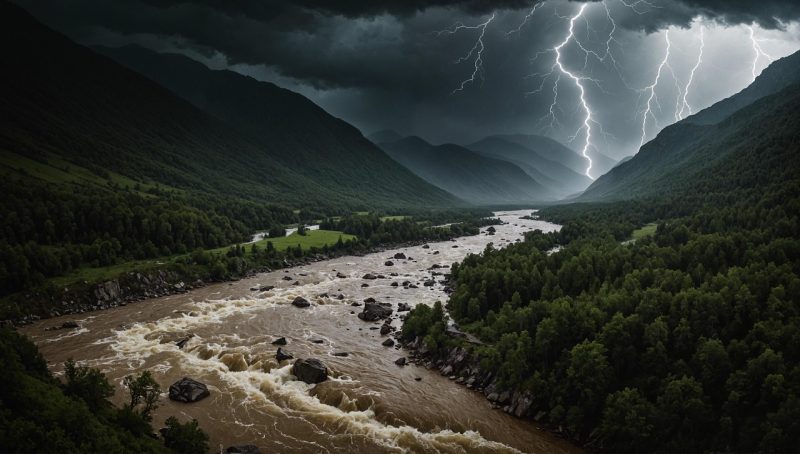
On 15 August 2025, the people of Swat and Buner in Khyber Pakhtunkhwa witnessed heartbreaking disaster. A sudden cloudburst struck the region, bringing extremely heavy rain within a very short time. In just a few hours, rivers and streams overflowed, and flash floods swept through villages. Many people lost their lives, others are still missing, and thousands were left homeless. Houses, roads, bridges, markets, fields, and livestock were destroyed andfor families whose livelihoods depend on farming, small businesses, and daily labor, the loss has been truly unbearable.
The tragedy in Swat and Buner was part of major catastrophe that swept across the province. According to the Provincial Disaster Management Authority (PDMA), at least 314people lost their lives and 156 were injured in different districts of Khyber Pakhtunkhwa during just 48 hours of heavy rains and flash floods. Buner was the worst-hit district, with total 209 fatalities, followed by Shangla (36), Bajaur (21), Mansehra (24), Swat (22), Battagram(3), Lower Dir (5), and Abbottabad (1). Infrastructure losses were also severe, with 159 houses either completely destroyed or partially damaged, along with 57 schools and 22 other facilities were affected across various districts. These figures highlight the magnitudeof destruction and the urgent need for stronger preparedness against such climate disasters.
Check Out: How to Reduce Disastrous Impacts of Floods? – Mitigation Methods
Pakistan Flood Mitigation Measures and Disaster Management
A cloudburst happens when a large amount of rain falls in a very short time, usually within an hour. It is different from normal rainfall because the volume is significantly higher and more abrupt. When such intense rain falls on steep mountain slopes, water rushes down at great speed, flooding the low-lying areas. The same scenario happened in Swat and Buner, where individuals had no time to prepare, as the floods struck with such force that everything in their way was swept away.
This incident shows how climate change is making weather more hazardous as warmer air retains more moisture, leading to increasingly heavy rainfall. Scientists have already warned that South Asia will see more intense monsoon rains in the future. Unfortunately, Pakistan is one of the most vulnerable countries to climate change, and this cloudburst serve as a sharp reminder of that reality.
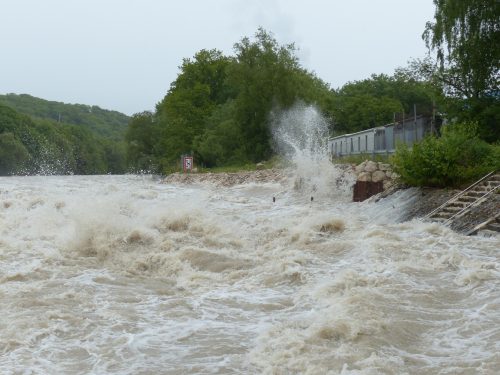
During such events, the first priority is always saving lives with rescue teams, local volunteers, and government officials mobilized immediately to help people trapped in the affected areas. Relief camps were set up to provide food, clean water, and shelter, whereas health workers also worked hard to stop the spread of diseases that often follow floods. On the other hand, many roads and bridges are severely damaged, and restoring connectivity to these places will require considerable time. The suffering of people who lost their homes and livelihoods will continue long after the floodwaters have gone.
While rescue and relief efforts are important, it is equally essential to look ahead. If cloudbursts and floods are likely to occur more frequently, we must enhance our preparedness and resilience for the future. Modern technology can play a big role here such as advanced weather stations and radar systems can help give early warnings, and if communities receive alerts by SMS or loudspeaker, even a few hours of warning can save many lives. Additionally, satellite imagery, remote sensing techniques, and computer modeling can also help identify the area’s most vulnerable to such hazards.
At the same time, construction strategies in vulnerable areas must be strengthen. Building resilient bridges, safer houses, and wider water channels can significantly reduce damage. Increasing vegetation’s through hillsides can also slow down the speed of water and help prevent landslides, while restoring natural floodplains can give rivers more space and reduce flooding in towns and villages.
Communities are required to play an active role in building the resilience by training local volunteers, conducting emergency exercises, and teaching families about safe evacuation routes all contribute to enhance preparedness. Simultaneously, enforce clear regulations to prevent constructions in high-risk flood regions near rivers, and insurance schemes and financial support can help farmers and small businesses recover more quickly after disasters.
The floods in Swat and Buner are not only about raising water; they are about people, families, and their futures. They underscore how unprepared we are for these challenges of climate change, while also present an opportunity to learn and adopt. We are not able to eliminate rain, but we can mitigate its effect. By integrating modern technology, robust infrastructure, and increased community awareness, we can prevent future cloudbursts from causing same level of tragedy.
Climate change is often spoken about as a global problem, but its effects are always local. For the people of Swat and Buner, the August floods demonstrate that climate change is not just a distant concern—it is present day reality that already effecting lives. This highlights the significance of both local action and international cooperation. The world must reduce greenhouse gas emissions to slow down global warming, but at the same time, countries like Pakistan must prioritizing adaptation to protect vulnerable communities.
The resilience of the people of Swat and Buner gives hope. Even in the face of destruction, families come together, neighbors help one another, and life begins again. But resilience alone is not enough. With better planning, smarter use of technology, and implementation of stronger climate policies, we can turn tragedies like this into powerful lessons for the future.
The August 15 cloudburst serves as a clear warning. If not addressed properly, similar events will continue to cost more lives and livelihoods in coming future. However, if we choose to listen, learn, and act, we can establish safer and more sustainable future—not only for Swat and Buner but for all communities facing the growing risks of climate change.
Also Check Out: Glacial Lake Outburst Floods in Pakistan- Causes and Effects
Glacial Lake Outburst Flood (GLOF) -Causes, Impact, Solution
This article is contributed by: Waqar Younas, He is a PhD Scholar at University of Macerata, Italy, an economist specializing in applied economics, research, and data analysis. His research focuses on Environmental Economics, Climate Change, and Sustainable Development, leveraging data-driven insights to inform policy decisions for a resilient future. https://orcid.org/0009-0007-2043-7989