
Introduction:
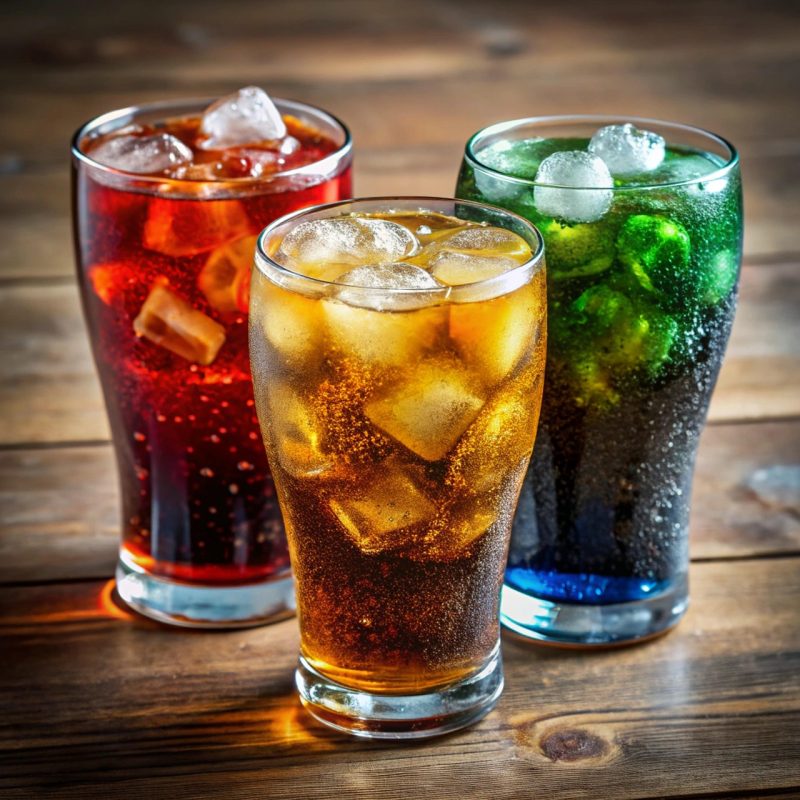
While carbonated drinks like seltzers, sodas and other water based beverages are consumed by many, it is unlikely that most people would give up their beloved carbonated beverages just for the sake of environment. It seems inconsequential but it is in fact not. This article will serve as a way to perhaps change your mind about carbonated drinks- not just because of the environmental impact it has, but also because it is not really good for human health anyways.
Environmental Impacts Of The Beverages Industry:
Right from the acquisition of raw materials to processing and final packaging- this industry based on providing soft drinks and beverages has a carbon footprint like all human activities. However, some of the stages that are particularly of concern are highlighted below.
Also check out: Climate Change Impacts on Agriculture Industry of Pakistan
Raw Materials:
Raw materials for carbonated drinks contribute about 7 to 14% of the carbon footprint of this industry.
1. Water: the exploitative use of water by this industry is the most concerning problem of all. This is because most of these beverage companies source their water directly from drought-prone areas or areas that are already facing water scarcity issues and challenges.
For instance, Coca Cola has already been called out for groundwater depletion as well as water pollution in India. Even though carbonated drinks are mostly water with added sugar, it is usually the amount of water per bottle/soda can used is what is a major cause of water depletion since they are manufactured in bulk. One liter of Soda requires about 2.7 liters of water to make and this is excluding the water already used to grow other ingredients like sugar and corn syrup that are also used in beverage production.
2. Sugar: The ingredient that is the basis of all beverages- sugar. The sugar needed to make carbonated drinks comes from corn that is grown by monoculture/monocropping techniques with intense chemical additions. This leads to soil depletion and soil nutrient and quality deterioration, Besides, sugar being the primary ingredient in beverages also have several other environmental concerns including: exploitative labor, unsustainable agricultural practices for sugar cane production, unethical practices that differ from place to place but are common nonetheless.
3. Carbon Dioxide: Finally, the signature ingredient in carbonated and fizzy drinks- CO2.
The addition of carbon dioxide to beverages serves to give it an additional taste as well as prevent it from spoiling. This CO2 doesn’t cause any harm to humans but directly impacts environment. This is because it contributes to green house warming as CO2 is a heat trapping gas. It may not seem much since the CO2 escapes when we open the cans and hear that ”pop” sound however, collectively this does have a huge impact.
The impact can be understood from the fact: One liter of soda/ soft beverage requires 4.85 grams of CO2 while burning one liter of gasoline releases 2,392 grams of CO2. Again this may seem insignificant for a couple of cans- but think about how this is just one liter and billions of cubic liters are produced everyday and the same amount of carbon will be released every time someone opens up a can. Ultimately, the carbon does end up back in the atmosphere where it contributes to climate change.
Production and Manufacturing:
Like all industries, the impact of production and manufacture of products in bulk are going to have some common impacts, Including the Beverage industries these include: Toxic pollutants release, water pollution, GHG emissions, carbon footprint, one or more resource exploitation and so on. All industrial factories alone are responsible for contributing directly to climate change as they emit Two-Thirds of all GHG emissions.
Check out: 15 Easy and Practical Ways to Reduce Food Waste
Packaging:
Containers: The use of aluminum which requires an energy intensive process to make soda cans obviously emits GHG emissions. Besides this the most negative impact is the use of plastic. Plastic contributes most to the carbon footprint of this industry. Beverage companies are the largest plastic polluters in the world. 59 to 79 percent of the GHG are emitted during packaging of beverages.
Pollution Caused by Beverages Industry
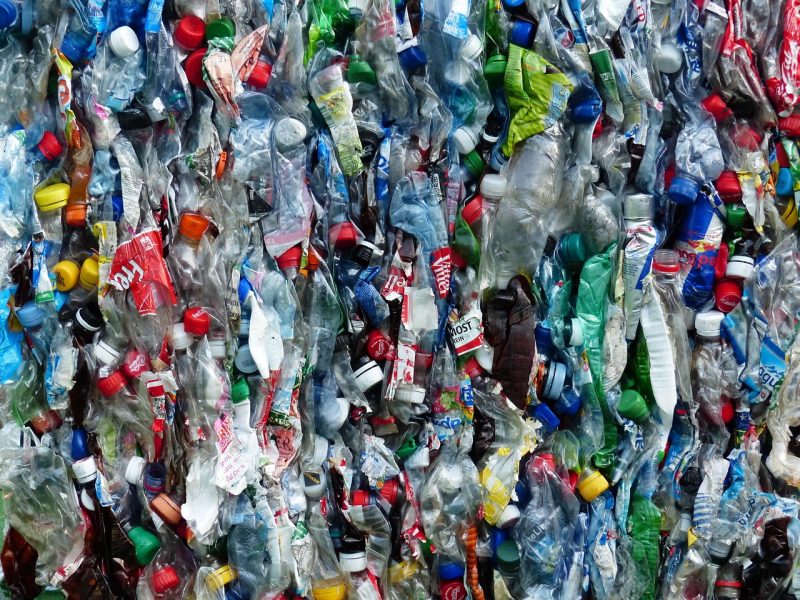
The global consumption of carbonated drinks generates an enormous volume of waste, primarily from single-use packaging. By 2019, the sales of drinks in cans, bottles, or cartons had nearly doubled over 20 years to an estimated 1.3 trillion containers.
This waste contributes significantly to pollution across its entire lifecycle.
The majority of the impact stems from the packaging:
Plastic Pollution: A substantial portion of the packaging is PET plastic, much of which ends up in landfills, incinerators, or as litter. Plastic bottles are slow to decompose (taking hundreds of years) and fragment into persistent microplastics that contaminate oceans, food chains, and drinking water.
Greenhouse Gas Emissions: Manufacturing virgin plastic and aluminum is energy-intensive, increasing the industry’s carbon footprint. The entire beverage sector, including carbonates, contributes to global CO2 emissions. While aluminum is highly recyclable and more sustainable than glass or new plastic, un-recycled cans still represent a massive waste of energy and resources.
Water and Land Pollution: The production of ingredients, particularly sugarcane for sugar, requires immense amounts of water and can lead to heavy soil erosion and water contamination. The sheer volume of discarded packaging also necessitates costly clean-up efforts and damages natural habitats.
Effect On Health:
Carbonated drinks, especially sugar-sweetened sodas, pose significant risks to health beyond just empty calories. A major concern is the high sugar content, which contributes to weight gain and obesity. Regular consumption is strongly linked to an increased risk of developing Type 2 diabetes, high blood pressure, high cholesterol, and heart disease due to the constant stress on the body’s metabolic system.
For dental health, the combination of sugar and acids (like citric and phosphoric acid) in these beverages is highly damaging. The sugar feeds bacteria that produce acid, while the added acids directly erode tooth enamel, leading to cavities and decay.
Furthermore, some carbonated drinks, particularly colas, contain phosphoric acid that can interfere with calcium absorption and has been associated with lower bone mineral density, especially in women. Even “diet” carbonated drinks with artificial sweeteners are not benign; they have been linked in some studies to disrupted metabolism and an increased risk of depression in certain populations. The carbonation itself can also cause digestive discomfort, such as bloating and gas.
CONCLUSION:
The solution to mitigating these impacts is not to completely stop all consumption of food and drink since every human activity creates a carbon footprint. However, the answer lies in responsible and sustainable consumption. For beverages this can be done by ensuring your beverage is organic based; i.e. uses home grown or locally sourced sugar.
At the very least it can be considered that the packaging of most beverages use recycled aluminum cans instead of plastic or glass. This is more environmentally friendly than glass or plastic since recycled aluminum uses 99% less energy thereby leaving a smaller carbon footprint.
Check out: All You Need To Know About Carbon Footprint And Its Importance
Besides, now home-based soda kits are available online and in most parts of the world which can be used to make soda or carbonated drinks at home for enthusiasts. This is much more feasible since it requires tap water, no packaging or container- since you can use mugs or cups at home. This will further shrink the carbon footprint rather than exacerbate it when you buy commercially. Thus responsible and mindful consumption is key.
You may also like: Climate Change Is Increasing Food Shortage Around The World
I hope you all liked this post! Please comment below if you have any suggestions, comments, or feedback! We at #envpk love hearing from our readers! Thanks!