Introduction:
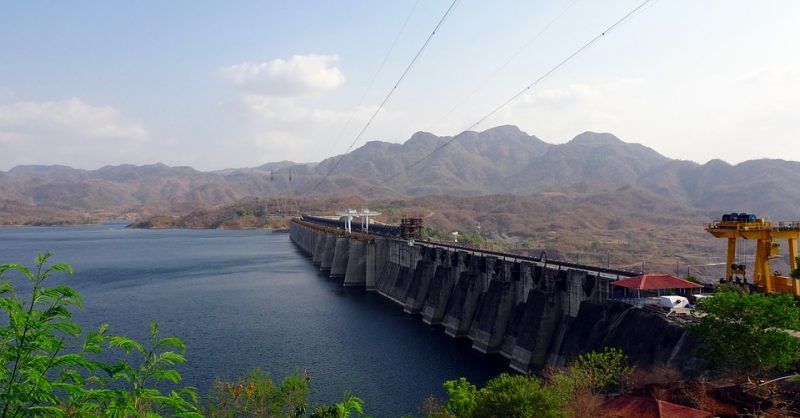
In a single hydro infrastructure project, multipurpose dams integrate two or more usual one-use dams’ activities. A multipurpose dam project can serve multiple purposes, including flood control, power production, navigation, run-off storage, and water discharge regulation, in addition to storing and delivering water for irrigation, industry, and human use. Multipurpose dams are built using the same concepts as single purpose dams (barriers across a body of water), but extra features, such as irrigation channels or power generation facilities, may be added to serve their various functions. Dams that serve many purposes are especially suitable for developing countries because they can help simultaneously achieve a number of development objectives, including those pertaining to energy, water, and food security, as well as economic growth.
Advantages:
- Generate hydroelectric power:
One of the advantages of multipurpose dam project is that they have ability to produce hydroelectric electricity. Large-scale hydroelectricity production is made possible by multipurpose projects, and this is crucial for the growth of industry.
- Availability of surface water:
The second advantage of multipurpose dam project is serving as a means of providing surface water where and when it is needed. These initiatives aid in the creation of projects that provide adjacent areas with clean drinking water.
- Development:
By providing services like more affordable power, improved water transportation, the availability of raw materials at lower costs for agro-based enterprises, etc., these projects can foster an environment that is favorable for the development of industry. Additionally, through developing the agricultural, industrial, and infrastructure sectors, these initiatives can provide a sufficient number of jobs in both the agricultural and non-agricultural sectors.
- Navigation:
By enhancing ferrying services for transportation, increasing fleet capacity, and reducing traffic loads on rail and roads, these projects can establish navigation facilities in the country.
- Forests and fisheries:
The woodland along the canal banks may grow as a result of these developments. Additionally, it may promote the growth of fisheries in the reservoirs.
- Create new habitats:
Multipurpose dam project creates new habitats which is also a great advantage of it. By using the reservoirs, new habitats are being created.
- Protection:
Multipurpose dam project is source of water when it is required. The water coming from different sources is stored in the dam which can be used for the different purposes such as irrigation etc. Controlling the frequency of floods that wreck havoc on the economy is another key goal of these initiatives. Multipurpose dam project protects against flooding.
- Irrigation system:
One of the key goals and benefits of multipurpose projects is the extension of the irrigation system. These initiatives can boost agricultural output in order to meet the rising demand for food and the raw materials needed to expand non-farm operations.
Check Out: What Are Renewable Energy Sources? – Types of Green Energy
Renewable Alternative Energy Resources – Advantages and Disadvantages
Disadvantages:
- Higher cost of hydropower:
Although hydro power has the advantages of being an environmentally benign, renewable energy source with low operating costs, it is also vulnerable to long gestation periods and delays in project commissioning that drive up project costs and startup costs. In relation to hydro power, all of these have led to a relatively higher unit cost of generation.
- Disturb natural processes:
Multipurpose dam project may have impact on natural processes. Environmental natural processes being disturbed.
- Loss of wildlife and woodlands:
One of the big disadvantages of multipurpose dam project is the significant loss of wildlife and woodlands. Forest areas are destroyed, and tribal and local inhabitants are uprooted as a result.
- Loss of terrestrial ecosystem:
The inundation-induced permanent loss of terrestrial ecosystems. Multipurpose dam project can cause loss of terrestrial ecosystem.
- Source of salinity and water-logging:
Multipurpose dam project can be source of salinity and water-logging. The multipurpose projects have had a major negative influence on the environment in terms of the degradation of soil content due to water logging and soil salinity in its command regions.
- Impact on fisheries:
Multipurpose dam project can have impact on fisheries in sense that keeping them in boundaries can affect them. Fisheries are also impacted by the barriers put in place.
- Relocation:
The relocating and displacing of impacted individuals.
- Source of degradation:
Putting more strain on remaining woods and other common areas, this accelerates degradation. Inadequate sediment flow has an impact on rivers’ natural flow. Excessive sedimentation at the reservoir’s base leads to rockier streambeds and less favorable habitats for aquatic life.
Conclusion:
In conclusion, the analysis reveals that multipurpose dam projects are complex, double-edged instruments of development. On one hand, they act as powerful engines for progress, fundamentally addressing challenges related to energy, water security, and economic growth. By generating crucial hydroelectric power, stabilizing water supply for agriculture and human use, and enhancing infrastructure through navigation, these projects can uplift industrial and agricultural sectors while offering flood protection. However, these ambitious initiatives are concurrently sources of profound environmental and social distress. The significant financial cost, coupled with unavoidable disturbances to natural processes, leads to thepermanent loss of wildlife, woodlands, and terrestrial ecosystems.
Furthermore, they introduce issues like soil degradation from salinity and water-logging, and, most critically, result in the forced relocationand displacement of local and tribal communities. Therefore, while the multi-faceted benefits are undeniable, the successful and sustainable implementation of multipurpose dams demands a rigorous, balanced approach that prioritizes comprehensive mitigation strategies to offset the heavy and often irreversible environmental and social costs associated with large-scale water barrier construction.
Also Check Out: Why Construction of Dams is Crucial for Pakistan
Balochistan Could Suffer Aridity Due to Insufficient Dams
We hope you all liked this post! Please, comment below if you have any suggestions, comments, or feedback! We #envpk love hearing from our readers! Thanks!