Introduction: A Silent Environmental Emergency
In my opinion, Pakistan is facing an environmental crisis that often goes unnoticed, yet its impacts are visible in our daily lives. From extreme heat waves to devastating floods, the consequences of environmental degradation are becoming harder to ignore. Among the many factors contributing to this crisis, deforestation stands out as one of the most critical and alarming issues.
Forests are often referred to as the “lungs of the Earth,” but in Pakistan, these lungs are shrinking rapidly. With forest cover already far below the global average, the continued loss of trees is pushing the country toward ecological instability. This is not just an environmental issue, it is a national concern that directly affects our economy, climate, and future generations.
What is Forestry and Why It Matters
Forestry is not simply about planting trees. It is a scientific and practical field that involves the management, conservation, and sustainable use of forests and natural resources. It includes activities such as afforestation, reforestation, protection of wildlife habitats, and maintaining ecological balance.
As a student of forestry, I have come to realize that forests are not just natural resources, they are essential for our survival. They help regulate temperature, improve air quality, conserve water, and provide livelihoods to millions of people.
The Reality of Forests in Pakistan
Pakistan is not richly endowed with forests. A large portion of the country falls under arid and semi-arid regions, making forest growth naturally limited.
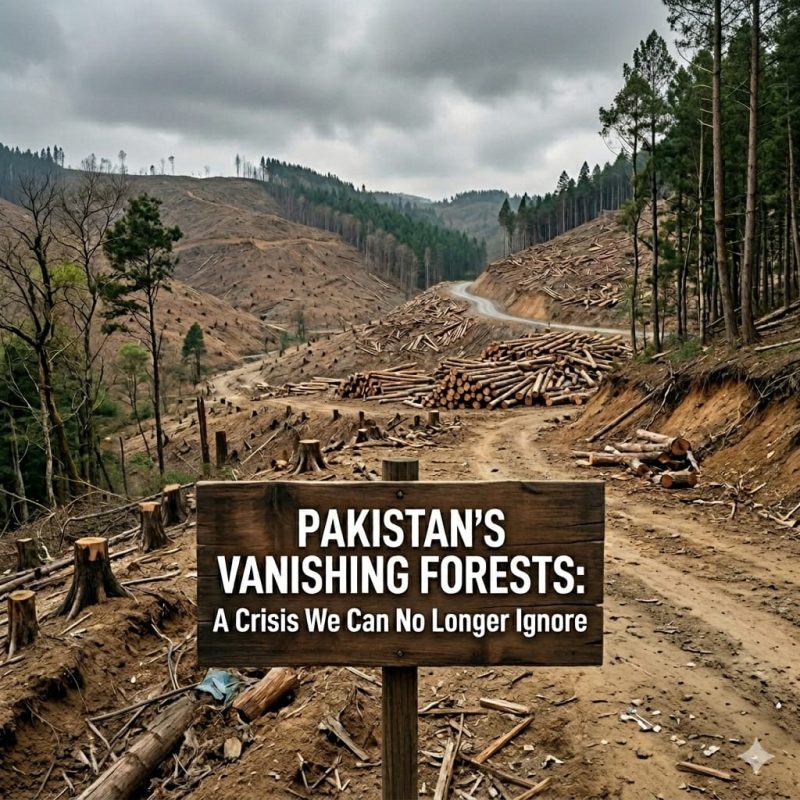
However, the situation has worsened due to human activities. Illegal logging, urban expansion, agricultural encroachment, and overgrazing have significantly reduced forest areas. In many regions, trees are cut faster than they are planted.
From what I have observed and studied, one of the most concerning examples is the decline of riverine forests along the Indus River. These forests depend on seasonal flooding, but due to dams and water diversion, their natural growth cycle has been disrupted. As a result, biodiversity is declining, and ecosystems are collapsing.
Check Out: List Of 10 Major Forests Of Pakistan With Description
What is Afforestation? What are its Methods and Importance? & Sustainable Forest Management – Methods and Importance
Environmental Impacts of Deforestation
1. Climate Change and Rising Temperatures
Forests act as carbon sinks, absorbing carbon dioxide from the atmosphere. When trees are cut down, this carbon is released, contributing to global warming. This is one of the reasons why Pakistan is experiencing more intense heat waves.
2. Increased Flood Risks
Trees help absorb rainwater and reduce surface runoff. Without forests, heavy rainfall leads to flooding. The devastating floods in Pakistan have shown how vulnerable the country is to environmental mismanagement.
3. Soil Erosion and Land Degradation
Without tree roots to hold the soil together, land becomes more prone to erosion. This reduces agricultural productivity and leads to desertification in some areas.
4. Loss of Biodiversity
Forests provide habitat for countless species. When forests disappear, wildlife loses its home, leading to a decline in biodiversity.
Case Study: Forest Fires in Northern Pakistan
In recent years, I have personally noticed through news and reports that forest fires in regions like Malakand have become more frequent and destructive. These fires not only destroy trees but also release massive amounts of carbon into the atmosphere. What was once a rare occurrence is now becoming a regular environmental disaster, highlighting the urgent need for better forest management.
Why Deforestation Continues
- Despite knowing the importance of forests, deforestation continues due to several reasons:
- Poverty and dependence on fuelwood
- Weak enforcement of environmental laws
- Lack of awareness among local communities
- Illegal timber trade
- Rapid urbanization
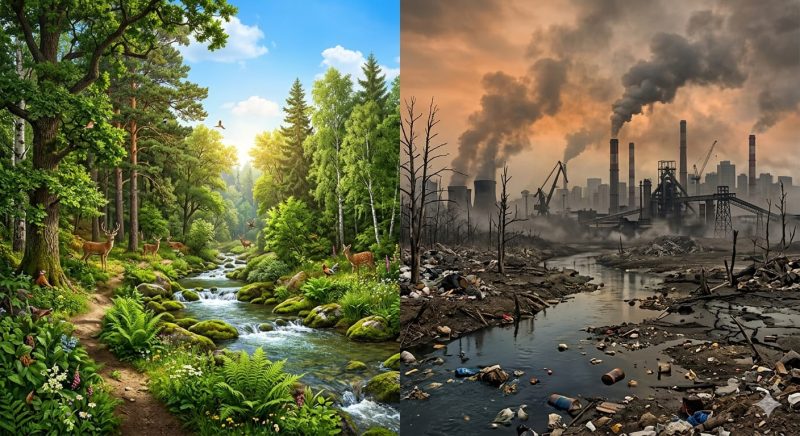
These factors create a cycle where environmental degradation leads to economic hardship, which further increases pressure on forests.
Solutions: A Practical Way Forward
1. Community-Based Forestry: Local communities should be involved in forest management. When people feel ownership, they are more likely to protect resources.
2. Sustainable Plantation Drives: Tree plantation campaigns should focus on quality, not just quantity. Native species should be planted, and proper care must be ensured.
3. Use of Modern Technology: Technologies like GIS and remote sensing can help monitor forest cover and detect illegal activities.
4. Strong Policy Implementation: Environmental laws must be enforced strictly. Corruption and negligence should not be tolerated.
5. Awareness and Education: I strongly believe that educating people about the importance of forests can bring long-term change. Students and young professionals, especially in forestry, can play a key role.
The Role of Youth and Future Foresters
Young people in Pakistan have the potential to drive environmental change. Students of forestry and environmental sciences are not just learners, they are future decision-makers. Their knowledge and actions can shape policies, protect ecosystems, and promote sustainability.
Conclusion: Time to Act Before It’s Too Late
Pakistan’s forests are disappearing, and with them, our chances of a sustainable future. This is not just an environmental issue, it is a matter of survival. If immediate and effective action is not taken, the consequences will be irreversible. As a forestry student, I believe that the solution lies not just in policies but in collective action. From policymakers to local communities, everyone has a role to play. Protecting our forests today means securing our tomorrow.
Also Check Out: What is Reforestation? What are the Methods and Importance?
What are Rainforests? – Importance, Function and Future
We hope you all liked this post! Please, comment below if you have any suggestions, comments, or feedback! We #envpk love hearing from our readers! Thanks!
This article is contributed by: Asif Rafique Keerio is a passionate forestry student focused on environmental sustainability and conservation. He writes to raise awareness about climate change, biodiversity, and the importance of protecting natural ecosystems. His goal is to inspire positive environmental action through impactful writing.