Introduction:
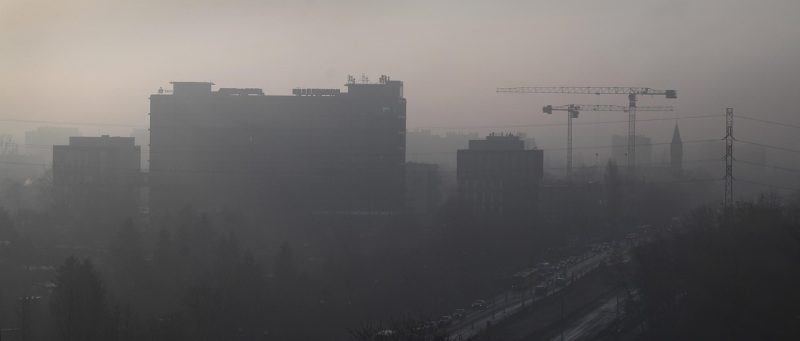
Lahore, the bustling cultural capital of Pakistan, is facing an increasingly severe environmental crisis in the form of recurrent, toxic smog. This thick, suffocating blanket of haze, a mixture of smoke and fog, has become a notorious feature of the city’s winters, fundamentally altering the daily lives and health of its millions of residents. Consistently ranking among the world’s most polluted cities, Lahore’s Air Quality Index (AQI) frequently soars into the ‘Very Unhealthy’ or even ‘Hazardous’ categories, driven primarily by dangerously high concentrations of fine particulate matter.
Causes of Smog:
The genesis of this complex problem lies in a confluence of factors, including rapid, often unregulated, urbanisation and population growth, unchecked vehicular and industrial emissions, the burning of agricultural waste in surrounding areas, and adverse atmospheric conditions that trap pollutants close to the ground. Far from being a mere seasonal nuisance, the pervasive smog is a public health emergency, leading to a surge in respiratory illnesses, eye irritations, and reduced visibility that disrupts air and road travel. Addressing this complex environmental challenge requires urgent, multi-sectoral intervention to safeguard the health and future prosperity of the city.
Transboundary Pollution:
The air pollution spike during Diwali in India often causes a severe cross-boundary smog crisis in Lahore, Pakistan. As festivities involve widespread use of fireworks, the smoke and fine particulate matter, especially PM2.5, are carried across the border by low-speed winds from northern Indian states like Punjab and Haryana. This influx of pollutants combines with Lahore’s local emissions, dramatically worsening the city’s Air Quality Index (AQI) to hazardous levels. The transboundary contamination forces emergency measures in Lahore and is routinely described by Pakistani officials as a significant environmental challenge, underscoring the shared regional air quality concerns.
Check Out: Upcoming Crop Residue Burning and Smog Season in Pakistan
Impacts of Transboundary Pollution on Pakistan
Lahore Smog is Killing Us -Harmful Impacts of Smog On Humans
Effects Of Smog:
Smog severely impacts human health in both the short and long term.
- Respiratory Illnesses: Causes immediate symptoms like coughing, wheezing, sore throat, and shortness of breath. It aggravates pre-existing conditions like asthma and Chronic Obstructive Pulmonary Disease (COPD).
- Cardiovascular Damage: Fine particles enter the bloodstream, leading to systemic inflammation, increasing the risk of heart attacks, strokes, and ischemic heart disease.
- Eye and Skin Irritation: Smog causes burning and redness in the eyes and can trigger skin allergies or rashes.
- Long-Term Chronic Diseases: Prolonged exposure significantly increases the risk of developing lung cancer, COPD, and chronic bronchitis.
- Neurological Effects: It is linked to cognitive impairment, anxiety, and an increased risk of neurological disorders like Alzheimer’s disease.
- Vulnerability: Children, the elderly and pregnant women are the most vulnerable groups, with risks including impaired lung development and adverse birth outcomes.
How to Control Smog?
Controlling smog in Lahore requires a multi-pronged strategy addressing industrial, vehicular, and agricultural pollution sources. Key steps include:
- Enforcing Strict Emission Standards: Implement and rigorously enforce stronger emission regulations for all vehicles and industrial units, specifically targeting substandard fuels and outdated technologies like non-compliant brick kilns.
- Promoting Public Transport and Green Mobility: Expand and improve the public transportation network to encourage a shift away from private vehicles. Incentivize the adoption of electric and hybrid vehicles and develop infrastructure for cycling and walking.
- Controlling Crop and Waste Burning: Strictly enforce the ban on crop residue burning and open garbage burning. Provide farmers with subsidized alternatives, such as machinery for residue management and bio-decomposers, and enhance municipal solid waste management.
- Increasing Urban Greenery: Launch mass tree-planting drives across the city, particularly near industrial areas and major roads, and expand urban green spaces, as plants act as natural air filters.
- Monitoring and Emergency Response: Strengthen real-time air quality monitoring. During peak smog events, implement emergency measures like regulating vehicle entry, temporarily reducing industrial operations, and utilizing anti-smog guns and water sprinkling operations.
- Public Awareness and Cooperation: Conduct continuous public awareness campaigns to educate citizens on smog-related health hazards and encourage behaviors like using public transport, reducing energy consumption, and reporting pollution sources.
How to Stay Safe During Smog Season?:
The primary way to stay safe during smog in Lahore is to minimize direct exposure to polluted air. Key safety measures include:
- Limit Outdoor Exposure: Check the Air Quality Index (AQI) daily and reschedule outdoor activities, especially strenuous exercise, on “unhealthy” or “very unhealthy” days (AQI > 150). Children, the elderly, and people with respiratory or heart conditions should be extra cautious and remain indoors.
- Use Protective Gear: Always wear a high-quality mask, such as an N95 or N99 respirator, when stepping outside to effectively filter out fine particulate matter. Wear protective eyeglasses or spectacles instead of contact lenses to reduce eye irritation.
- Improve Indoor Air Quality: Keep doors and windows tightly closed, especially during peak pollution hours (morning and evening). Use an air purifier with a High-Efficiency Particulate Air (HEPA) filter in bedrooms and living spaces. Avoid indoor burning activities like wood fires, trash, or excessive use of scented candles.
- Stay Hydrated and Healthy: Drink plenty of water to help flush toxins from your system and keep your respiratory tract moist. Maintain a healthy diet rich in vitamins (like C and E) and omega fatty acids to boost immunity. Keep necessary respiratory medications (like inhalers) etc.
Also Check Out: 10 Ways To Protect Yourself From Smog
Methods to Measure, Maintain and Control Indoor Air Quality
10 Indoor Plants For Improving Indoor Air Quality At Home
We hope you all liked this post! Please comment below if you have any suggestions, comments, or feedback! We at #envpk love hearing from our readers! Thanks!