Introduction:
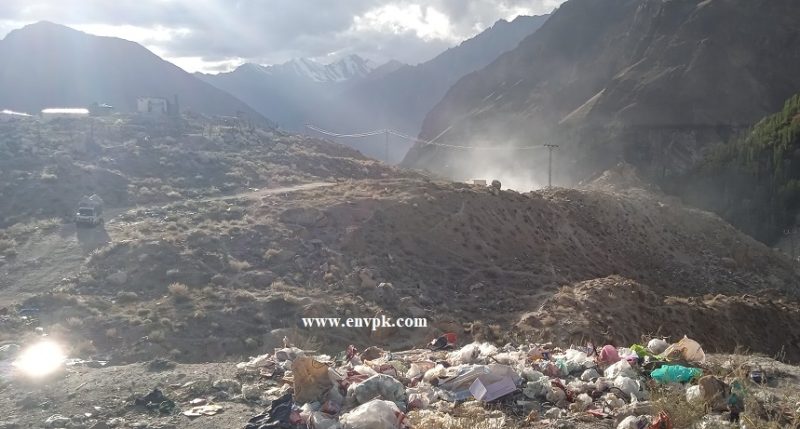
Gilgit-Baltistan (GB), a region of unparalleled natural beauty in the Himalayas and Karakoram, faces severe solid waste management challenges exacerbated by its unique mountainous terrain, dispersed population, and burgeoning tourism. Current waste disposal practices, primarily unscientific dumping along riverbanks and in open areas and burning waste pose significant environmental and public health risks, threatening the region’s pristine ecology and vital water resources. The unique and fragile mountain ecosystem of Gilgit-Baltistan faces a dual challenge: inefficient municipal solid waste management (MSWM) and a significant energy deficit. Simultaneously, despite the region’s vast hydropower potential, existing infrastructure is inadequate, resulting in long daily power outages, especially in winter.
Related: Waste to Energy Plants Can Curb Pakistan’s Electricity Crisis
Waste to Wealth: Pakistan’s Untapped Economic Opportunity
Open Waste Dumping Site In Shishkat Village, Gojal Valley, Hunza, Gilgit Baltistan
Waste-to-Energy Plants:
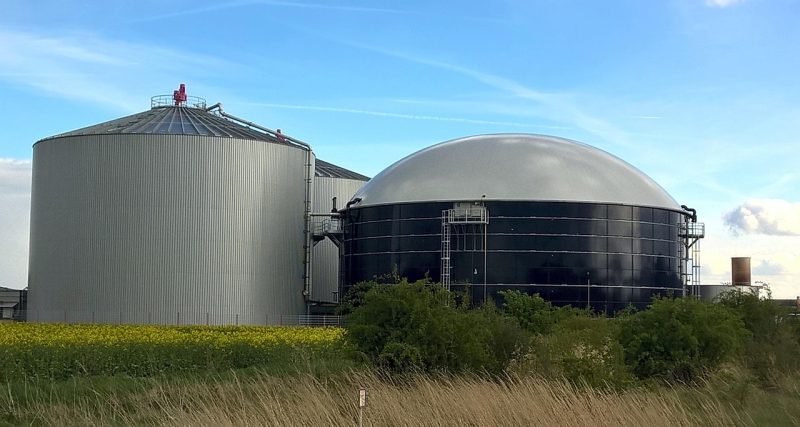
Waste from various sources but particularly municipal solid waste can be easily converted into energy by a number of different processes: combustion/incineration, gasification, pyrolysis and anaerobic digestion to name a few.
What basically occurs is that the garbage or waste is burned to produce steam which then powers the boilers, this ultimately drives the turbines that can be used to generate electricity. However, not any waste can be used to generate electricity using any process, it differs from product to product and process to process. However, most importantly, it is completely dependent on the calorific value of the substance which is calculated to figure out how much energy that waste can generate on incineration.
Typically a good value is 7MJ/kg which means that waste products like plastic, paper and textiles are the best products to be used for combustion process to generate electricity.
You may also be interested in: Environmental Impacts of Growing Tourism Industry of Pakistan
Can we setup Waste-to-Energy Plants in Mountainous Regions like GB?
In the Northern Areas of Pakistan, like Gilgit-Baltistan the huge boom in tourist industry and the resulting land, plastic and overall increasing levels of pollution could be solved using the installment of such waste-energy plants as they would be very beneficial in targeting two of the main problems: Pollution and Energy Demand.
For further reading, check out: Effect of Climate Change On Gilgit Baltistan of Pakistan
With the poor infrastructure and communication towers that are a hallmark of our Northern Areas, it is no surprise that during the on season there is an especially crippling lack of electricity in those areas. Therefore, failure to meet the energy demand in these areas, the best solution could be to install such small plants which could convert the local waste; biomass, plastic or other types by any of the above mentioned processes. This way we can effectively utilize our waste while also producing energy in a somewhat eco-friendly way which would have considerably less carbon footprint than using coal-powered or fossil fuel powered non-renewable sources.
Nepal and Mountainous Communities of The Alps- Strategy Proposal for Waste To Energy conversion:
In many mountains of Nepal, where due to various reasons and treacherous peaks, normal means of energy production are not viable. Therefore, in order to make life easier for the people over there the government proposed and began a waste to energy conversion program that now help meet the minimum energy demand of these areas. Moreover, there are also further plans the expand this project to local houses and villages where they would provide affordable plants for people to recycle their own waste in their backyard or nearby, in order to get rid of their trash while benefiting from it as well in the form of energy production.
Similarly, in the Alps mountainous communities, waste management facilities are run simultaneously with the power plants and therefore they too, are able to recycle their organic waste and litter by burning them and generating electricity.
So, the bottom line is that, if these mountainous communities can benefit from this strategy of converting their local waste into a form of energy then Gilgit-Baltistan; along with the rest of the Northern Areas in Pakistan, can also very well utilize this effectively. Since, due to the tourist boom we are experiencing in the recent years, we have a large pollution problem as well as the ever-present energy shortfall problem at our hands that can readily be solved if such conversion plants are installed.
Check out: Urgency of Climate Justice for Mountain Communities of Pakistan
I hope you all liked this post! Please comment below if you have any suggestions, comments, or feedback! We at #envpk love hearing from our readers! Thanks!