
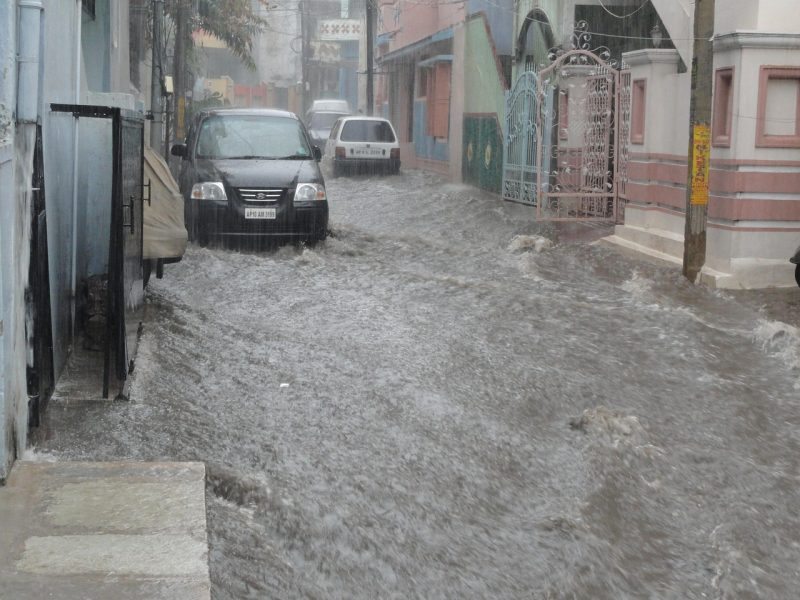
Heavy rainfall leading to floods as well as Cloudbursts and GLOFs, have killed around a 1000 and injured around 965 people, have damaged infrastructure and livestock in various parts of Pakistan including Punjab, Khyber Pakhtunkhwa, Azad Jammu and Kashmir and Gilgit Baltistan.
Rapidly intensifying weather events like cloudbursts, floods, and Glacial Lake Outburst Floods (GLOFs) pose a significant threat, especially to communities in mountainous regions. Effective mitigation is key to saving lives and reducing damage. The core strategy revolves around a multi-pronged approach that combines structural measures, early warning systems, and community-level preparedness.
Structural and Policy-Based Mitigation
Governments and institutions can implement several measures to build resilience. For GLOFs, this includes reducing the volume of water in dangerous glacial lakes through controlled breaching or siphoning. To mitigate floods and cloudbursts, resilient infrastructure is crucial. This involves constructing flood-resistant buildings and improving drainage systems to handle high-intensity rainfall. Land use planning is also vital, which means avoiding or restricting construction in known floodplains and GLOF-prone areas.
Check Out: Cloudburst in Swat and Buner: A Climate Change Warning
How to Reduce Disastrous Impacts of Floods? – Mitigation Methods
Early Warning Systems
While structural measures are long-term solutions, early warning systems provide immediate protection. Modern technology, such as Doppler radars and satellite monitoring, can track dangerous cloud formations and rising water levels. When a threat is detected, alerts must be disseminated quickly through sirens, SMS, or local media. However, technology is only part of the solution.
Spreading awareness and community Preparedness
Community preparedness is equally important. Communities in high-risk zones should be trained on evacuation drills and understand designated safe zones. This empowers local residents to act as first responders, ensuring faster and more effective responses before professional help arrives.
Reforestation
Forestation is a highly effective flood mitigation strategy. Trees and their root systems act like a natural sponge, absorbing large quantities of rainwater and slowing down surface runoff. This process, known as infiltration, allows water to seep into the ground rather than overwhelming rivers and streams. The forest canopy also intercepts rainfall, reducing the amount that reaches the ground. Furthermore, tree roots bind the soil, preventing erosion and landslides which often accompany heavy rainfall and contribute to flooding.
As deforestation significantly exacerbates the risk and severity of floods. When forests are cleared, the natural buffer is removed, leading to increased surface runoff and soil erosion. The excess water flows unchecked into rivers and streams, causing them to overflow their banks and resulting in more frequent and devastating floods.
Pakistan is facing critical and multifaceted Climate related challenges, the escalating threat of climate-induced disasters like floods, cloudbursts, and GLOFs. The devastating human and infrastructural toll underscores the urgent need for a comprehensive and integrated disaster management strategy. Government should take structural measures—such as building flood-resistant infrastructure and implementing strategic land-use policies ban on deforestation, installation of early warning systems and non-structural interventions. .
Also Check Out: Pakistan Flood Mitigation Measures and Disaster Management
Glacial Lake Outburst Floods in Pakistan- Causes and Effects