From Sky to Scourge: How Climate Change and Negligence Etch a Genetic Scar on Pakistan
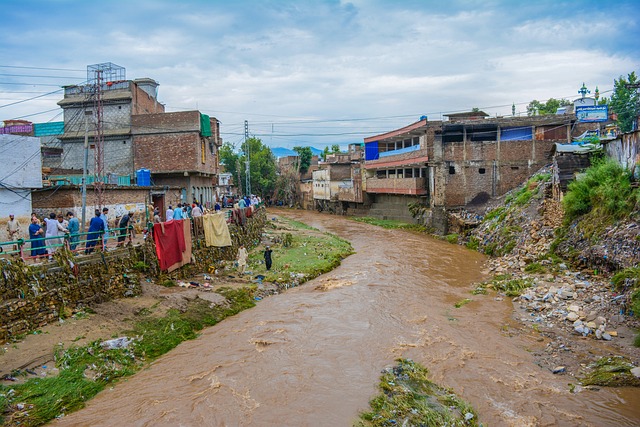
It wasn’t just rain when the skies opened over Pakistan in the summer of 2022—it was a biblical-sized flood. “Monsoon on steroids” is how UN Secretary-General António Guterres famously described the country’s current situation. The figures are still startling: 1,739 fatalities, over 33 million affected, and many houses, crops, and means of subsistence devastated. However, it became evident from the terrible floods of 2025—which especially devastated Punjab’s agricultural fields—that these are not single occurrences but rather a recurring pattern, a new norm.
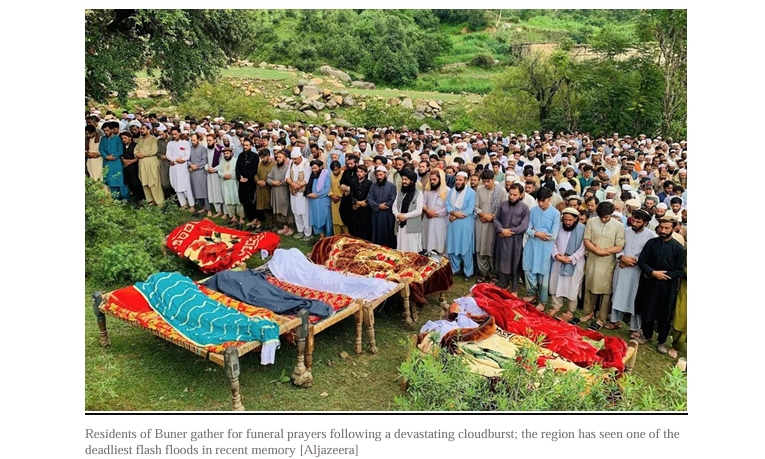
The National Disaster Management Authority (NDMA) reports that 881 people have been killed, over 1,000 injured, and about a million homeless as a result of catastrophic floods caused by torrential monsoon rains and rushing rivers throughout Pakistan (NDMA, 2025). According to biologists, these catastrophes are more than just physical catastrophes; they leave a profound and permanent scar on our entire ecosystem and, consequently, our biological blueprint. The floods reveal a flawed system that we have foolishly created for an impending catastrophe.
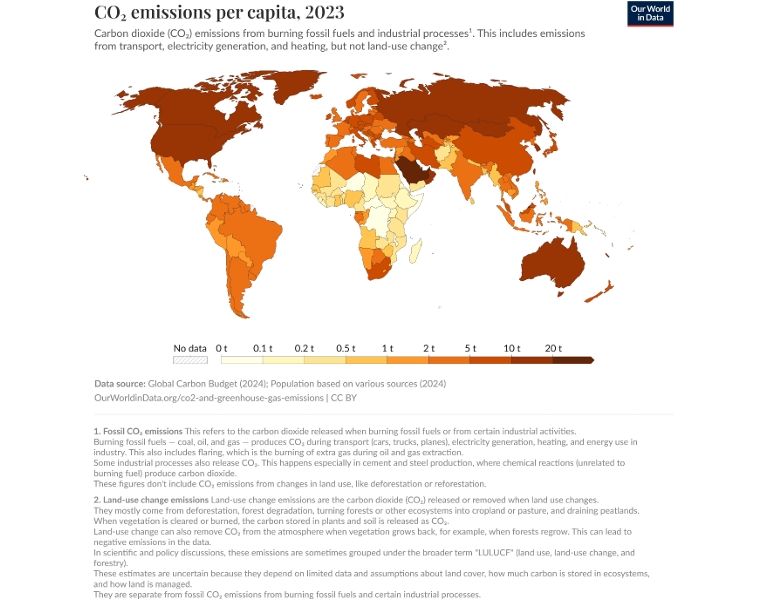
Pakistan is paradoxically classified among the nation’s most vulnerable to climate change, although contributing less than 1% of global greenhouse gas emissions. The floods in 2022 and 2025 serve as a stark reminder of the confluence of human carelessness, natural vulnerability, and climate change (ReliefWeb, 2024).
Climate on Steroids: Human-caused climate change was the main cause of the 2022 mega monsoon, which probably intensified rainfall by 50–75%. Multiple depressions that formed over the Bay of Bengal and strangely headed towards Sindh and Balochistan—the areas that were hardest hit by the 2022 disaster—exacerbated this. The issue is made worse by the glaciers of the Hindukush-Karakoram-Himalaya (HKH) ranges melting more quickly. The glacial lake outburst floods (GLOFs) that followed significantly weakened the river systems in the area (BBC, 2022).
Human Hand in the Disaster: However, climate change only tells part of the story. Our own actions have turned natural events into national catastrophes.
• Deforestation: According to reports, Pakistan’s forest cover is low and declining. Continuous deforestation increases surface runoff and raises the risk of flash floods by decreasing the land’s natural ability to absorb rainfall (Global Forest Watch, 2024).
• Poor Urban Planning: The expansion of cities often comes at a steep price. As mentioned by Defense Minister Khawaja Asif, building housing societies on flood plains and encroaching on natural riverbeds turn rain from a blessing into a calamity. One of the main causes of urban flooding in large cities is inadequate drainage infrastructure that cannot withstand heavy rainfall.
• Waste Management Failures: Poor waste management directly contributes to flooding in cities like Karachi and Lahore. Widespread urban flooding results from clogged drains that are unable to transport rainfall due to solid waste.
A Genetic Scar on a Generation
The effects of the floods go much beyond the immediate destruction of infrastructure. The long-term, subtle impacts on public health, the local ecosystem, and the biological and genetic heritage of our community are the most concerning outcomes for a biologist.
• The Health Crisis: Waterborne and vector-borne diseases thrive in stagnant floodwaters. Sindh’s health departments reported increases in severe diarrhea, malaria, and skin illnesses during the floods of 2022. This is a serious attack on the health of a community already at risk due to poverty and displacement, not merely a statistical spike.
• The real danger is found in a genetic and epigenetic scar. Long-lasting biological alterations can result from exposure to contaminated surroundings and extreme environmental trauma. Research indicates that recurrent traumatic stress and displacement might cause epigenetic modifications that affect multiple generations, changing the expression of our genes and possibly putting future generations at risk for mental illness and chronic health problems. According to mental health experts, survivors’ experiences of psychological torture and learned helplessness can physically become ingrained in our collective genetic memory. This is a terrible biological effect of the climate catastrophe; it is not hyperbole.
A Call to Action for a Resilient Future
These floods ought to be viewed as systemic failures rather than isolated catastrophes. A multi-pronged approach based on scientific and environmental knowledge is needed to build a resilient Pakistan.
• Invest in Climate-Resilient Infrastructure: Instead of relying on temporary solutions, we need to make investments in climate-resilient, sustainable infrastructure. This includes improving drainage systems, favoring smaller, easier-to-manage dams and water reservoirs, and enforcing stringent building standards to prevent encroachment on flood-prone areas (ReliefWeb, 2024).
• Rebuild Our Natural Defenses: The country must prioritize ecological restoration and reforestation. We can lessen the impact of future flash floods by reestablishing the land’s ability to absorb water through the restoration of our natural forest cover.
• Environmental and Health Mainstream Policy: Disaster management needs to go beyond providing aid. It needs to incorporate long-term public health and environmental plans. This entails setting up early warning systems, implementing robust waste management programs, and—above all—incorporating mental health assistance into our disaster response plans.
• For Pakistan, climate justice is not a political slogan; it is an environmental and biological imperative. We are writing a new chapter in our history as a country, one that will be characterized by floods that are becoming more frequent and intense. We possess the information and the scientific knowledge. We must decide if we have the will to alter the course of events, repair the broken blueprint, and to build a resilient future for the generations that carry our biological legacy.
References:
Al Jazeera. (2025, August 28). Behind Pakistan’s repeated floods: Melting glaciers, depleted forests. Al Jazeera. Retrieved from https://www.aljazeera.com/news/2025/8/28/behind-pakistans-repeated floods-melting-glaciers-depleted-forests
Asif, K. M. (2025, August 29). Khawaja Asif blames corruption, encroachments for recent flood devastation. Dunya News. https://dunyanews.tv/en/Pakistan/903503-khawaja-asif-blames-corruption encroachments-for-recent-flood-destruc
BBC. (2022, August 30). Pakistan floods are ‘a monsoon on steroids’, warns UN chief. BBC. https://www.bbc.com/news/world-asia-62722117
Global Forest Watch. (2024). Pakistan deforestation rates & statistics. Global Forest Watch. https://www.globalforestwatch.org/dashboards/country/PAK/
International Centre for Integrated Mountain Development (ICIMOD). (2024, March 22). Climate crisis in the Himalayas: Addressing the threat of melting glaciers in Northern Pakistan. Green Climate Fund. https://www.greenclimate.fund/story/climate-crisis-himalayas-addressing-threat melting-glaciers-northern-pakistan
Pakistan Disaster Management Authority (PDMA). (2023, January 6). PAKISTAN: 2022 Monsoon Floods Situation Report No. 13. United Nations Office for the Coordination of Humanitarian Affairs. https://pdma.gos.pk/Documents/Flood/Flood_2022/Miscellaneous_Reports/Pakistan%20Floods%20R esponse%20SitRep%20No.13%20As%20of%206%20January%202023.pdf
ReliefWeb. (2024, June 6). Pakistan’s Climate Conundrum: Navigating Vulnerability, Building Resilience. https://reliefweb.int/report/pakistan/road-climate-resilient-pakistan-curtailing-carbon footprint
SpringerOpen. (2025, March 20). Epigenetic factors in posttraumatic stress disorder resilience and susceptibility. Journal of Molecular and Human Genetics. https://jmhg.springeropen.com/articles/10.1186/s43042-025-00684-w
United Nations Office for the Coordination of Humanitarian Affairs (OCHA). (2023, December 15). Revised Pakistan 2022 Floods Response Plan Final Report. https://www.unocha.org/publications/report/pakistan/revised-pakistan-2022-floods-response-plan final-report-issued-15-dec-2023
United Nations Development Programme (UNDP). (2022, October 28). Pakistan Floods 2022: Post Disaster Needs Assessment (PDNA). https://www.undp.org/pakistan/publications/pakistan-floods 2022-post-disaster-needs-assessment-pdna
World Weather Attribution. (2022, September 14). Climate change likely increased extreme monsoon rainfall, flooding highly vulnerable communities in Pakistan. World Weather Attribution. https://www.worldweatherattribution.org/climate-change-likely-increased-extreme-monsoon-rainfall flooding-highly-vulnerable-communities-in-pakistan/
Yousuf, J., Mehmood, H., Aquil, S., Rija, A., Rahmat, Z. S., & Malikzai, A. (2023). Effects of floods on the mental health of Pakistanis: A commentary. Annals of Medicine & Surgery, 85, 2253–2255. https://www.scienceopen.com/document_file/bb60ffa1-ffa6-49b7-8690 a7ebd873c7a2/PubMedCentral/bb60ffa1-ffa6-49b7-8690-a7ebd873c7a2.pdf
This article is contributed by: Muhammad Rizwan Gulzar, A Plant Scientist Sustainability & Plant Genetics Professional,Research Interest in Plant Biology, Urban Forest, Biodiversity, climate change,
Drought Tolerance. Contact: gulzwan@gmail.com LinkedIn