
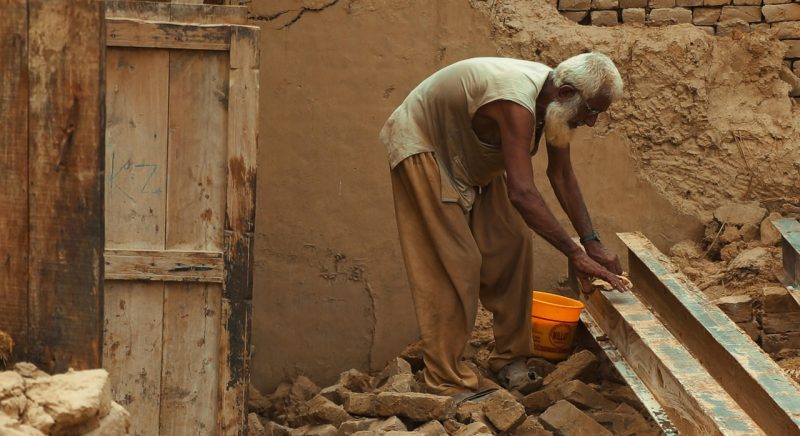
Recent severe flooding in Pakistan has caused widespread destruction and significant hardship in numerous regions. The floods have led to fatalities, the displacement of large populations, and the destruction of residential structures, agricultural land, and livestock. This disaster has produced profound effects on affected communities and the national economy.
The floods have resulted in significant losses. Numerous individuals have lost their lives, while others have sustained injuries or have been displaced. Residential structures, transportation infrastructure, and essential public facilities have sustained extensive damage. Agricultural production has been severely impacted, resulting in disruptions to the food supply and threatening local livelihoods. The loss of livestock has further affected rural communities. Access to clean water, adequate sanitation, electricity, and healthcare services has been compromised, exacerbating the challenges faced by affected populations. In this context, the implementation of effective support mechanisms is essential to alleviate suffering and facilitate recovery.
Social protection encompasses government initiatives aimed at mitigating hardship and alleviating poverty. These programs typically provide financial assistance, healthcare services, and employment support. Social protection contributes to improved living standards and enhances community capacity to respond to adverse events such as floods. In the aftermath of disasters, social protection serves as a critical resource for affected populations, enabling them to meet essential needs and recover. It is instrumental in reducing vulnerability and fostering resilience, particularly in regions impacted by natural disasters such as recent flooding events.
Check Out: What To Do About Floods and GLOFs in Pakistan & Cloudburst in Swat and Buner: A Climate Change Warning
During disasters, providing social support is crucial. Social protection helps individuals manage financial difficulties, access essential medical care, and rebuild their livelihoods. In flood-affected areas, effective social protection greatly improves communities’ ability to cope with losses and recover. There are several ways to offer financial help during disasters. Two common methods are targeted cash transfers and universal transfers. Targeted cash transfers direct resources to those most in need, focusing support on the severely impacted. Conversely, universal transfers assist everyone in the affected area. While targeted aid ensures help reaches those with the greatest need, universal aid might spread resources more thinly. The government must implement effective systems to identify the most affected households and ensure they get proper support. Given the severe impact of the floods, several important steps should be taken to assist those affected. The government should offer subsidies for electricity and gas bills in all flood-affected areas. Since households often spend a large part of their income on these utilities, subsidies would ease their financial strain, especially for those already facing hardships.
Provincial governments should broaden Health Card coverage to include treatments for diseases common in flood-affected areas where water contamination is frequent. Floodwaters can cause waterborne illnesses, making it essential to expand health coverage. Providing clean water, sanitation, and hygiene is crucial for preventing diseases in these regions. Therefore, the government should focus on identifying the most vulnerable areas and ensuring these basic needs are met.
Many homes have been destroyed, farms damaged, and livestock lost. The government should utilize modern digital techniques to quickly and safely distribute money to those who need it most. Targeted cash transfers, focusing on the most affected individuals and communities, are likely to be more effective than universal approaches. Additionally, efforts should be made to rebuild homes and restore livelihoods in ways that strengthen communities against future disasters, including support for agricultural and livestock recovery.Implementing these measures requires effective systems to identify those in need, efficient methods for delivering support, and collaboration among government departments and aid organizations. Actions such as reducing energy costs for affected households, improving health coverage for flood-related illnesses, ensuring access to clean water and sanitation, and providing targeted financial assistance can significantly impact the lives of those severely affected by the floods.
Collaboration is crucial for helping people recover and ensuring communities are more resilient to future disasters. It is hoped that the government will seriously consider these steps to provide relief and assist individuals in rebuilding their lives in the flood-impacted areas of Pakistan.
Also Check Out: How to Reduce Disastrous Impacts of Floods? – Mitigation Methods & Pakistan Flood Mitigation Measures and Disaster Management
This article is contributed by: Waqar Younas, He is a PhD Scholar in applied economics at University of Macerata, Italy, an economist specializing in applied economics, research, and data analysis. His research focuses on Environmental Economics, Climate Change, and Sustainable Development, leveraging data-driven insights to inform policy decisions for a resilient future. https://orcid.org/0009-0007-2043-7989